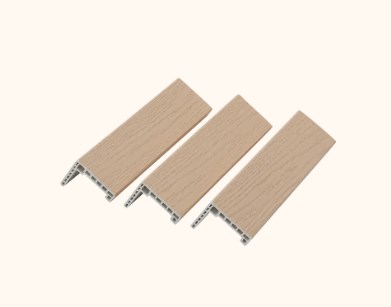
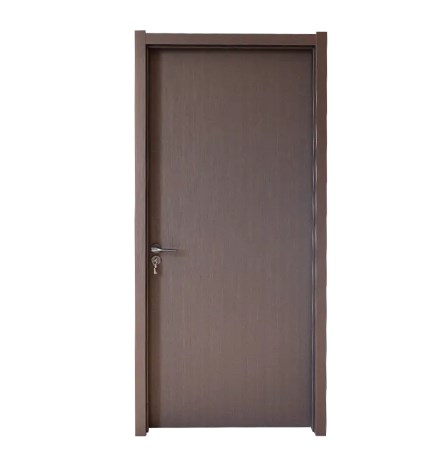
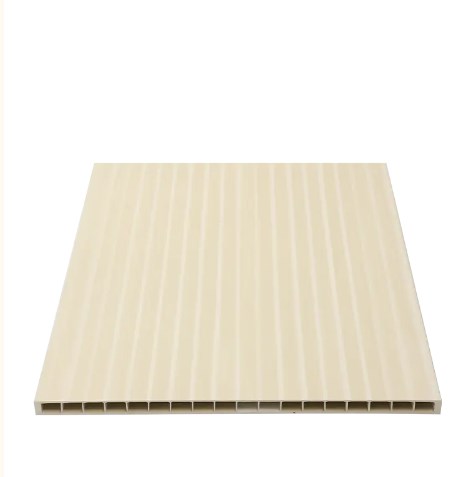
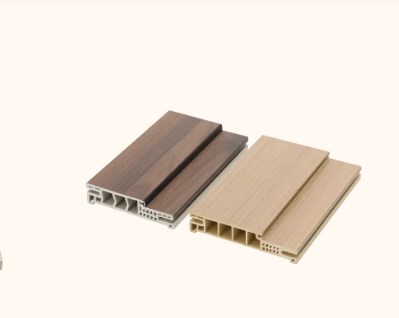
WPC decoration material is the ultimate solution for modern architectural finishes, successfully merging the timeless aesthetic of natural timber with the structural resilience of advanced polymers. For builders, designers, and homeowners seeking a surface covering that guarantees longevity without sacrificing visual appeal, WPC stands as the undisputed choice. It actively resists moisture, prevents structural degradation from insects, and significantly minimizes long-term maintenance efforts. This innovative composite fundamentally redefines interior and exterior design, providing a sustainable, highly durable, and visually versatile alternative to traditional building resources.
The fundamental appeal of wood-plastic composites lies in their ability to overcome the inherent weaknesses of organic wood. By synthesizing wood fibers with thermoplastic polymers, the resulting material exhibits exceptional structural stability. Unlike traditional timber, it does not splinter, warp, or rot when exposed to fluctuating weather conditions. This makes it particularly valuable in environments that experience high humidity or drastic temperature shifts.
One of the most significant benefits of WPC is its high resistance to moisture and biological decay. Because the plastic polymer encapsulates the wood fibers, the material naturally repels water. This prevents the growth of mold and mildew, ensuring that the decorative surfaces remain pristine and hygienic over decades of use.
Furthermore, WPC offers incredible versatility in finishing. During the manufacturing process, the material can be extruded into various profiles, textures, and colors. Whether the design vision calls for the deep, rich grain of tropical hardwood or a sleek, contemporary matte finish, WPC can be customized to meet precise aesthetic demands without the environmental guilt associated with harvesting rare exotic woods.
Inside residential and commercial spaces, WPC decoration material has revolutionized the way accent walls, ceilings, and floors are constructed. The material provides excellent acoustic insulation, helping to dampen sound transmission in busy office environments or multi-family residential buildings. Its thermal properties also contribute to maintaining consistent indoor temperatures, potentially reducing the reliance on artificial heating and cooling systems.
Interior designers frequently utilize WPC panels to create striking feature walls. The interlocking profile systems allow for seamless installation that hides fasteners, resulting in a clean, uninterrupted visual flow. In bathrooms and kitchen areas, where traditional wood would quickly degrade due to steam and water splashes, WPC performs exceptionally well, offering the warm look of wood without the risk of water damage.
The ease of installation is another critical advantage. Many WPC interior cladding products utilize hidden clip systems or tongue-and-groove mechanics. This allows for a rapid, mess-free installation process that significantly reduces labor costs and project timelines compared to traditional carpentry.
The exterior of any building faces relentless assault from UV radiation, rain, and wind. WPC decoration material is engineered specifically to endure these harsh elements without fading or becoming brittle. For outdoor cladding, pergolas, and fencing, WPC provides a robust shield that requires nothing more than an occasional wash to maintain its original beauty.
The material's ability to resist UV damage is a crucial factor in outdoor applications. High-quality WPC formulations include advanced UV inhibitors that protect the surface color from fading, ensuring that a sun-facing facade retains its vibrancy year after year. Additionally, the structural integrity of the composite ensures that it will not crack or peel under thermal expansion, a common failure point for lower-grade exterior finishes.
To truly understand the value of WPC, it is necessary to benchmark it against conventional materials commonly used in architecture and interior design. The comparison highlights its structural and practical superiority.
| Material Type | Durability | Maintenance Level | Moisture Resistance |
|---|---|---|---|
| WPC Composite | High | Low | Excellent |
| Natural Timber | Medium | High | Poor |
| MDF Board | Low | Medium | Very Poor |
As the data demonstrates, traditional timber requires continuous treatments, staining, and sealing to maintain its structural integrity and appearance. Medium-density fiberboard (MDF) swells and disintegrates upon contact with water. WPC eliminates these vulnerabilities, presenting a balanced composite that requires a fraction of the upkeep while delivering superior longevity.
While WPC is celebrated for its ease of installation, achieving a flawless, professional finish requires adherence to specific architectural guidelines. Proper preparation of the substrate and precise handling of the material are essential to prevent future structural issues such as buckling or improper alignment.
Adhering to the correct installation pitch is critical. Securing fasteners too tightly restricts the natural thermal movement of the composite. Always allow the material to "float" slightly within the securing clips to accommodate seasonal environmental shifts.
The construction industry is increasingly pivoting towards sustainable practices, and WPC decoration material stands at the forefront of this ecological revolution. The core components of the composite often consist of recycled wood dust, sawmill byproducts, and reclaimed plastics. By utilizing these waste streams, manufacturers actively divert millions of tons of potential landfill waste, transforming it into high-value architectural products.
The longevity of WPC also contributes significantly to its environmental profile. Because the material does not need to be replaced as frequently as natural wood, the long-term demand for raw timber is reduced, helping to preserve global forests. Furthermore, at the end of its exceptionally long lifecycle, many WPC products can be ground down and extruded into new composite materials, representing a highly efficient, closed-loop manufacturing system.
One of the strongest selling points of WPC is its incredibly low maintenance profile. Unlike natural wood, which demands annual sanding, varnishing, or painting to prevent decay, WPC maintains its structural and aesthetic integrity with minimal human intervention. However, routine cleaning is still necessary to preserve the original luster and prevent surface-level dirt accumulation.
By following these straightforward cleaning protocols, the visual lifespan of WPC decoration material is easily maximized. Ultimately, WPC provides a perfect synergy of nature and technology, offering an architectural finish that remains stunningly beautiful and structurally sound for decades.

 English

 English
 عربى
عربى Español