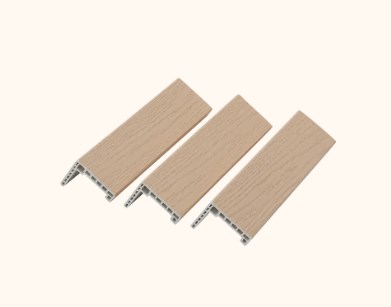
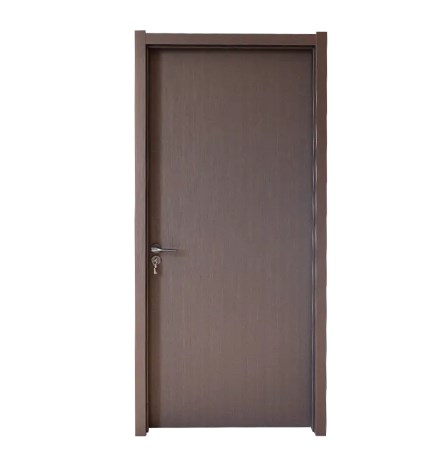
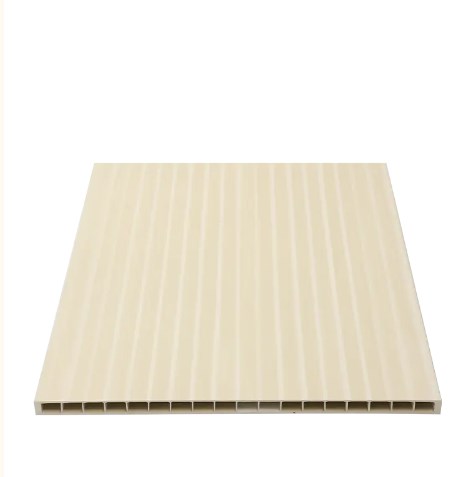
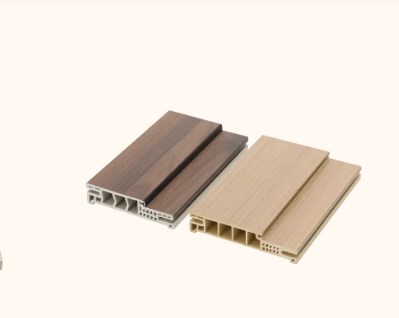
WPC (Wood Plastic Composite) decoration material offers an exceptionally durable, moisture-resistant, and aesthetically versatile solution for both interior and exterior design projects. By combining the natural beauty of wood fibers with the resilience of polymers, these materials deliver a significantly extended lifespan while drastically reducing maintenance requirements. This innovative composite has become the definitive standard for modern architecture and interior design, excelling in environments where traditional wood quickly deteriorates. Whether you are renovating a humid bathroom, designing an outdoor patio, or installing decorative wall panels, WPC provides a sustainable and practical alternative that does not compromise on visual appeal.
To fully appreciate the value of WPC decoration material, one must understand how it is manufactured. The core composition typically consists of recycled wood flour, thermoplastics (such as PVC or polyethylene), and a careful blend of chemical additives. These additives include UV stabilizers, colorants, and bonding agents that ensure the material withstands harsh conditions.
The environmental benefits of WPC are substantial. Because it utilizes industrial wood waste and recycled plastics, it actively diverts materials from landfills. Furthermore, it directly reduces the demand for virgin timber, helping to curb deforestation. A significant portion of WPC materials can be recycled again at the end of their lifecycle, making them a highly circular building product. For eco-conscious builders and homeowners, this represents a tangible way to lower the carbon footprint of a construction or renovation project without sacrificing structural quality.
Inside the home or commercial buildings, WPC decoration materials are primarily used for wall cladding, ceiling panels, and flooring. Their unique physical properties solve many common pain points associated with traditional interior finishes.
When applied to building exteriors, WPC decoration materials truly demonstrate their engineering prowess. They are widely specified for outdoor facades, pergolas, fencing, and decking. The integration of UV inhibitors during the manufacturing process prevents the material from fading under prolonged sun exposure.
Traditional exterior woods require rigorous seasonal maintenance to survive freeze-thaw cycles and heavy rainfall. WPC, however, remains dimensionally stable. High-quality WPC cladding can withstand extreme weather fluctuations without cracking or splintering, ensuring that the building's exterior remains pristine and protected against the elements with minimal upkeep.
To better understand the practical advantages of upgrading to WPC, it is helpful to compare its performance characteristics directly against traditional timber. The table below outlines the key differences in functionality and lifecycle costs.
| Characteristic | WPC Decoration Material | Traditional Wood |
|---|---|---|
| Water Absorption | Very Low | High |
| Maintenance Frequency | Low (Cleaning only) | High (Sanding/Staining) |
| Lifespan | Long | Moderate |
| Susceptibility to Pests | None | High |
While WPC decoration materials are highly durable, their performance relies heavily on correct installation techniques. Proper handling ensures that the material can expand and contract naturally without causing structural damage.
Beyond functionality, WPC decoration materials offer immense creative freedom. Advanced manufacturing techniques allow for deep embossing that perfectly mimics the grain of rare woods, brushed metals, or even stone textures. The color palette is virtually limitless, ranging from deep walnut and natural oak to contemporary greys and stark whites. This versatility allows architects to achieve high-end, bespoke looks while adhering to strict budget and sustainability goals. Because the color is integrated into the material during extrusion rather than applied as a surface coating, it resists scratching and fading much better than painted alternatives, ensuring the design remains vibrant for the lifespan of the building.

 English

 English
 عربى
عربى Español