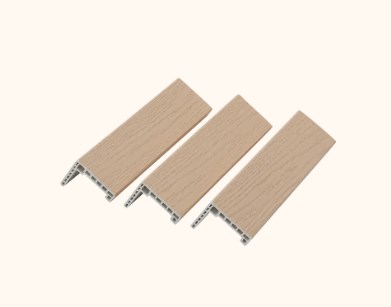
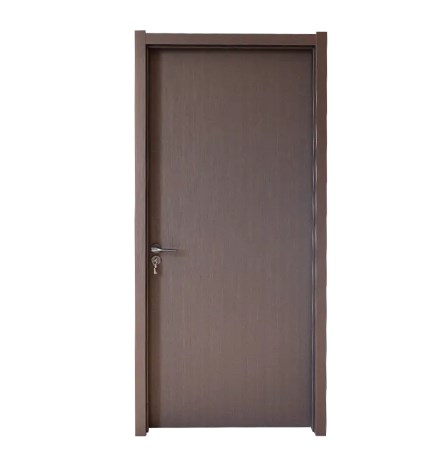
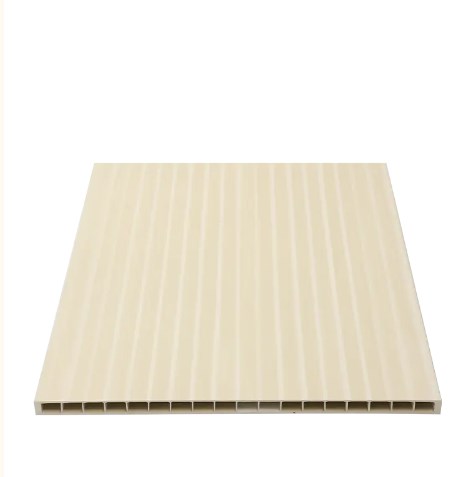
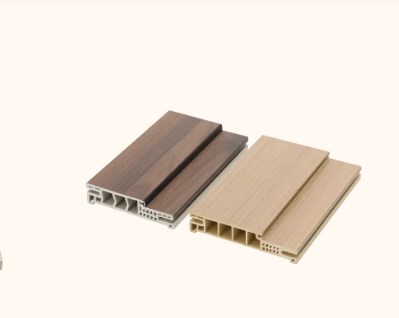
A PVC partition board is an engineered building material designed to divide spaces efficiently while offering 100% water resistance, high durability, and exceptional cost-effectiveness. These boards are the optimal choice for environments that require strict hygiene standards and moisture control, such as commercial restrooms, industrial shower facilities, and residential wet areas. By utilizing polyvinyl chloride as the core material, these partitions outlast traditional materials like wood or untreated metal, providing a reliable solution that requires minimal maintenance over a lifespan of 10 to 15 years.
Choosing a PVC partition board means investing in a structural solution that balances upfront budget constraints with long-term performance. The material is impervious to mold, mildew, and rot, ensuring that the structural integrity and visual appeal of the partition remain intact even in the most demanding high-moisture environments. Whether you are retrofitting an old facility or designing a new commercial space, PVC partition boards provide a versatile, robust, and highly functional barrier.
The widespread adoption of PVC partition boards across various industries is not accidental. It stems from a unique combination of physical properties that make it superior to many traditional partition materials. Understanding these advantages helps architects, contractors, and facility managers make informed decisions.
The most defining characteristic of PVC is its complete resistance to water. Unlike medium-density fiberboard (MDF) or particleboard, which swell and disintegrate when exposed to water, PVC does not absorb moisture. This makes it completely immune to rot, mold growth, and structural degradation caused by humidity. In high-moisture environments such as public shower rooms, swimming pool changing areas, and industrial washdown zones, PVC partitions maintain their shape and strength indefinitely.
Commercial spaces experience heavy foot traffic and frequent abuse. PVC partition boards are engineered to withstand significant physical impact without cracking or breaking. High-density PVC can absorb impact forces exceeding 200 pounds without sustaining permanent deformation. This impact resistance drastically reduces the frequency of repairs and replacements, making it a highly reliable material for schools, stadiums, and transit stations.
In industrial and medical settings, partitions are often exposed to harsh cleaning agents and chemicals. PVC is inherently resistant to a wide range of chemicals, including diluted acids, alkalis, and common disinfectants. This property ensures that aggressive cleaning protocols do not damage the surface or compromise the material's integrity, maintaining a hygienic and professional appearance over time.
When evaluating the total cost of ownership, PVC partition boards offer remarkable savings. While the initial material cost is competitive, the real economic benefit lies in its longevity and low maintenance. Facility managers can save up to 30% on long-term maintenance costs compared to painted metal or wood-based partitions, as PVC requires no repainting, sealing, or specialized refinishing.
The versatility of PVC partition boards allows them to be deployed across a wide spectrum of architectural and industrial applications. Their adaptability to different environments makes them a staple in modern construction.
Public restrooms are subject to constant use, vandalism, and high humidity. PVC partitions are the standard choice for these spaces because they resist graffiti, are easy to clean, and do not harbor bacteria. They can be easily hosed down or wiped with strong chemicals, ensuring a sanitary environment for the public.
Factories, chemical plants, and food processing facilities often require employees to shower after shifts or need specific washdown areas to maintain hygiene standards. In these scenarios, continuous exposure to water and chemical cleaners is a daily occurrence. PVC partition boards excel here, providing a safe, non-slip, and rust-proof enclosure that meets strict industrial safety regulations.
The marine environment is notoriously harsh, with saltwater and UV radiation degrading most materials rapidly. PVC boards, especially those treated with UV inhibitors, are used for boat cabin partitions and outdoor shower stations at beaches. Their ability to withstand saltwater corrosion makes them an invaluable material in coastal architecture.
Homeowners are increasingly turning to PVC partition boards for custom shower enclosures and wet room designs. Unlike tiles that require grout (which can mold and crack), PVC offers a seamless, clean look that is highly functional for modern residential bathrooms.
Installing a PVC partition board is a straightforward process, but it requires precision and the correct use of hardware to ensure stability and longevity. Proper installation prevents structural failures and ensures the partitions look professional.
Before any cutting begins, it is critical to measure the installation space accurately. Account for any unevenness in the floor or walls. Always allow a 1/4-inch clearance at the bottom of the partition to facilitate cleaning and prevent water pooling, which could damage the hardware over time.
PVC boards can be cut using standard woodworking tools. A circular saw with a fine-tooth blade or a router is recommended to achieve clean, chip-free edges. When drilling holes for hinges, brackets, and latches, use a drill bit specifically designed for plastics to prevent cracking the material around the mounting points.
Use stainless steel or anodized aluminum hardware to prevent rust, which could stain the PVC over time. Secure the headrail brackets firmly to the wall and ceiling, ensuring they are level. Attach the pilaster (the vertical post) to the floor bracket and headrail, then hang the doors using heavy-duty hinges. Finally, mount the partition panels to the wall brackets.
One of the greatest strengths of PVC partition boards is their ease of maintenance. However, following best practices will extend their lifespan and keep them looking pristine for years.
For daily or weekly cleaning, a simple solution of mild soap and warm water is sufficient. Use a soft cloth or a non-abrasive sponge to wipe down the surfaces. Avoid using abrasive pads or scouring powders, as these can create micro-scratches on the PVC surface, which can trap dirt and dull the finish over time.
For tougher stains, including permanent marker or minor graffiti, use a soft cloth dampened with isopropyl alcohol or a specialized PVC cleaner. Apply the solvent gently and rinse thoroughly with water afterward. Always test the solvent on an inconspicuous area first to ensure it does not alter the color or finish of the board.
While PVC is highly durable, it is not indestructible. Train cleaning staff not to use heavy machinery directly against the partitions. Periodically inspect the hardware (hinges, brackets, and screws) and tighten any loose fittings. Loose hardware places undue stress on the PVC panels, which can lead to elongated screw holes and eventual panel failure.
To fully appreciate the value of PVC partition boards, it is helpful to compare them directly with other common materials used in commercial and industrial partitions. This comparison highlights why PVC is often the most pragmatic choice.
| Material Type | Water Resistance | Impact Resistance | Maintenance Level | Relative Cost |
|---|---|---|---|---|
| PVC Partition Board | Excellent (100%) | High | Low | Medium |
| Medium-Density Fiberboard (MDF) | Poor | Medium | High | Low |
| Stainless Steel | Excellent | Very High | Low | High |
As the table illustrates, while stainless steel offers superior impact resistance, its high cost makes it prohibitive for many standard projects. MDF is cheap but fails rapidly in moist environments. PVC sits in the sweet spot, offering excellent water resistance and high durability at a reasonable price point, making it the most balanced material for partition construction.
In modern construction, the environmental footprint of building materials is a crucial consideration. PVC partition boards have made significant strides in sustainability. Unlike traditional materials that end up in landfills after a few years of use, PVC is highly recyclable. At the end of their long service life, PVC boards can be ground down and reprocessed into new PVC products, reducing the demand for virgin raw materials.
Furthermore, the manufacturing process of PVC has become more energy-efficient over the years. Because PVC partitions last significantly longer than wood or untreated metal equivalents, the frequency of replacement is drastically reduced, lowering the overall lifecycle carbon footprint of the building. By choosing PVC, developers and facility managers are selecting a material that combines high performance with responsible resource management.

 English

 English
 عربى
عربى Español