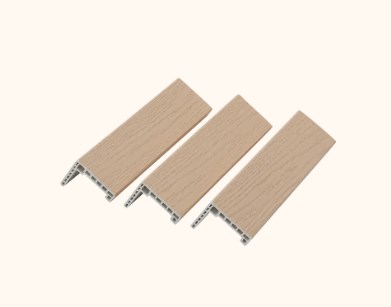
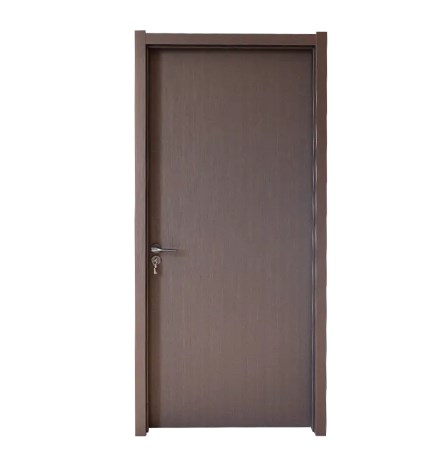
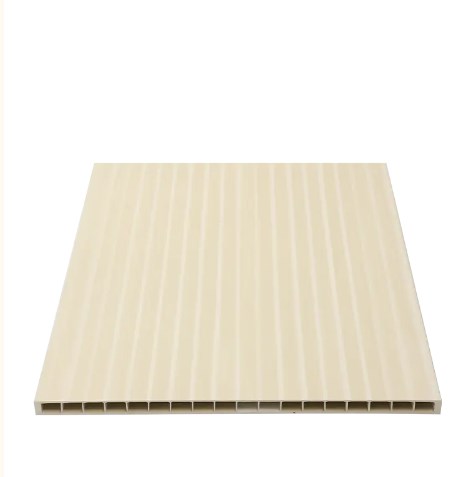
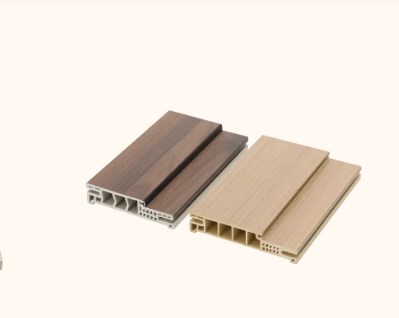
When evaluating materials for construction, fabrication, or interior design, UPVC board stands out as the most pragmatic and durable solution. Unlike traditional timber that rots, or metals that corrode, UPVC (Unplasticized Polyvinyl Chloride) offers an inherent resistance to moisture, chemicals, and biological degradation. The direct answer to the search for a low-maintenance, long-lasting, and versatile sheet material is unequivocally the UPVC board. It combines the structural rigidity required for heavy-duty applications with the workability of wood, all while remaining entirely immune to the elemental forces that typically shorten the lifespan of conventional building materials. Whether used in marine environments, chemical laboratories, or residential bathrooms, UPVC board delivers uncompromising performance without the ongoing costs of sealing, painting, or replacing compromised sections.
To fully appreciate the capabilities of a UPVC board, one must understand its fundamental composition. UPVC stands for Unplasticized Polyvinyl Chloride. The critical term here is "unplasticized." Standard PVC contains plasticizers that make it flexible and soft, which is ideal for hoses or shower curtains but entirely unsuitable for structural applications. By removing these plasticizers, the resulting polymer becomes rigid, tough, and exceptionally stable. This chemical adjustment transforms the material into a robust board that does not shrink, warp, or expand significantly under thermal stress. The matrix of the polymer is so tightly bound that it creates a non-porous surface, which is the foundational reason for its legendary resistance to water and microbial growth.
The popularity of UPVC board across multiple industries is not coincidental; it is driven by a suite of physical and chemical properties that outclass traditional materials. These advantages are not merely theoretical but are proven consistently in demanding real-world environments.
The most prominent advantage of UPVC board is its absolute impermeability to water. Wood absorbs moisture, leading to rot, swelling, and eventual structural failure. Metals oxidize and rust. UPVC, however, repels water entirely, ensuring zero swelling or structural degradation even after prolonged submersion. This makes it an indispensable material in areas with high humidity or direct water contact.
In industrial and laboratory settings, materials are frequently exposed to harsh chemicals. UPVC board is highly resistant to a wide array of chemicals, including acids, alkalis, and salts. It does not corrode or degrade when exposed to chemical fumes or spills, making it a staple in chemical processing plants and laboratory casework.
Safety is a paramount concern in construction. UPVC board inherently possesses fire-retardant properties. It is self-extinguishing, meaning that if a source of flame is removed, the material will stop burning. It does not support combustion and has a high ignition temperature, providing crucial extra time for evacuation and fire control.
Compared to metal or glass, UPVC is a poor conductor of heat and electricity. This makes it an excellent insulator. When used in wall cladding or partitioning, it helps maintain interior temperatures, reducing the load on heating and cooling systems. Additionally, its density provides a surprising degree of acoustic dampening, quieting ambient noise.
The theoretical benefits of UPVC board translate into highly practical applications. Its versatility allows it to seamlessly transition from an industrial backbone to an aesthetic interior surface.
The marine environment is notoriously destructive to building materials. Saltwater, constant moisture, and temperature fluctuations rapidly destroy wood and rust metals. UPVC board is extensively used in marine applications for cabinetry, bulkheads, and trim. Since it will not rot or support mold, it remains structurally sound and visually appealing even in the damp confines of a vessel.
Factories and chemical plants utilize UPVC board for lining tanks, constructing fume hoods, and creating chemical-resistant workstations. Its immunity to corrosive vapors ensures a longer lifespan for infrastructure, minimizing operational downtime caused by maintenance.
In homes and commercial buildings, UPVC board is the material of choice for areas prone to wetness. Bathroom wall panels, shower surrounds, and kitchen backsplashes benefit from the material's waterproof nature and ease of cleaning. Furthermore, it is widely used as an alternative to wood for window sills, door frames, and decorative wall cladding, offering the aesthetic of painted wood without the relentless upkeep.
The advertising industry requires materials that are lightweight yet rigid enough to withstand outdoor weather. UPVC board is the standard substrate for outdoor signage. It does not yellow rapidly under ultraviolet light, it withstands rain and wind, and it accepts vinyl graphics and paints with excellent adhesion.
To truly understand the value proposition of UPVC board, it is helpful to compare it directly against the traditional materials it frequently replaces. The table below illustrates how UPVB compares to standard timber and standard metals in critical performance categories.
| Property | UPVC Board | Standard Timber | Standard Metal |
|---|---|---|---|
| Water Absorption | Negligible | High | Low |
| Rot and Mold Risk | None | High | None |
| Maintenance Frequency | Very Low | High | Moderate |
| Thermal Conductivity | Low | Low | High |
One of the most compelling reasons professionals choose UPVC board is its exceptional workability. Despite its rigid and durable nature, it can be manipulated using standard woodworking tools, eliminating the need for specialized, expensive equipment.
UPVC board can be cut cleanly using circular saws, table saws, or jigsaws. The key to a clean cut is using a fine-toothed blade to prevent chipping. Unlike wood, there is no grain to worry about, meaning it can be cut in any direction without splintering. Operating the saw at a moderate speed ensures the material does not melt from blade friction.
When joining UPVC boards, mechanical fasteners and adhesives are both viable options. For mechanical fastening, pre-drilling pilot holes is highly recommended to prevent the material from cracking under pressure. Screws should be stainless steel or coated to prevent rusting, which could stain the white surface of the board over time. For seamless joints, specialized solvent cements chemically weld the boards together, creating a continuous, waterproof bond that is as strong as the material itself.
While UPVC board is available in a variety of colors and finishes, it can also be painted to match specific design requirements. To ensure proper paint adhesion, the surface should be lightly sanded with fine-grit sandpaper and wiped clean. A high-quality primer designed for plastics must be applied before the topcoat. Once primed, standard latex or acrylic paints adhere beautifully, allowing for endless customization.
In the modern construction landscape, the environmental footprint of a material is heavily scrutinized. UPVC board has a complex but ultimately favorable environmental profile when examined over its entire lifecycle.
The primary environmental advantage of UPVC is its incredible lifespan. A product that lasts decades without replacement significantly reduces the demand for raw materials and the energy required for manufacturing replacements. Wood requires the harvesting of forests and ongoing chemical treatments, while metals require energy-intensive smelting. UPVC’s durability offsets its initial production impact through decades of maintenance-free service.
UPVC is highly recyclable. Offcuts generated during fabrication and entire boards at the end of their functional life can be ground down and reprocessed into new UPVC products. This closed-loop recycling capability prevents the material from sitting in landfills and reduces the need for virgin polymer production.
Unlike treated timber, which can leach toxic preservatives into the surrounding soil, UPVC board is inert during its functional life. It does not off-gas volatile organic compounds, ensuring high indoor air quality in residential and commercial applications.
While the initial purchase price of UPVC board may be higher than basic, untreated wood, the long-term economic analysis strongly favors UPVC. To make a sound financial decision, one must calculate the total cost of ownership, which includes installation, maintenance, and replacement costs.
Selecting the right UPVC board for a specific project requires more than simply adding it to a cart. There are several critical factors to evaluate to ensure the material performs as expected in its intended environment.
UPVC boards are manufactured in various densities and thicknesses. Lightweight, foamed boards are excellent for decorative wall paneling and signage where structural support is provided by the underlying wall. Conversely, solid, high-density boards are required for structural applications, such as load-bearing shelves or marine bulkheads. Selecting the incorrect density will lead to failure, regardless of the material's inherent quality.
Not all UPVC boards are created equal when it comes to sun exposure. If the application is outdoors, it is imperative to select a board formulated with UV stabilizers. Without UV stabilizers, prolonged exposure to sunlight will cause the polymer chains to break down, leading to yellowing, chalking, and embrittlement. Always verify that the board is rated for exterior use.
UPVC board is available in matte, gloss, and wood-grain finishes. When ordering large quantities, ensure all boards are from the same manufacturing batch. Minor variations in pigment can occur between batches, which might be noticeable when boards are placed side by side in a large installation.
The phrase "maintenance-free" is often associated with UPVC, but a more accurate description is "low-maintenance." To keep UPVC board looking and performing its best for decades, a few simple practices should be followed.
The evolution of UPVC board is far from over. Material scientists and manufacturers are continuously pushing the boundaries of what this versatile polymer can achieve, focusing on both performance enhancements and environmental sustainability.
Researchers are integrating nanoscale materials into the UPVC matrix to further improve its mechanical strength and thermal stability. These nanocomposites promise even greater impact resistance and reduced thermal expansion, broadening the scope of structural applications in extreme climates.
While UPVC is defined by its lack of traditional plasticizers, researchers are exploring bio-based modifiers that can enhance flexibility without compromising durability or environmental safety. These innovations aim to create hybrid boards that combine the best traits of rigid and flexible vinyl products.
The integration of antimicrobial additives directly into the UPVC resin is becoming increasingly prevalent, particularly for healthcare and food-service applications. These advanced boards inhibit the growth of bacteria and viruses on their surface continuously, providing an extra layer of hygiene that goes beyond simple ease of cleaning.
Choosing the correct material for construction, fabrication, or design is a critical decision that impacts the longevity, safety, and aesthetic quality of the finished project. By evaluating the specific demands of the environment against the properties of available materials, the right choice becomes clear.
Ultimately, UPVC board represents a shift in building philosophy—from temporary fixes requiring constant attention to permanent solutions that endure. It is a material engineered for the realities of harsh environments, providing reliability where other materials fail.

 English

 English
 عربى
عربى Español