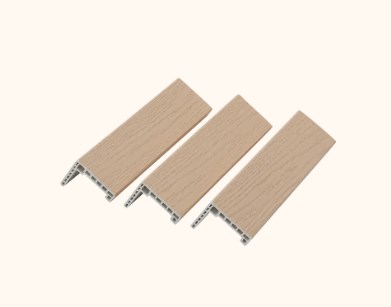
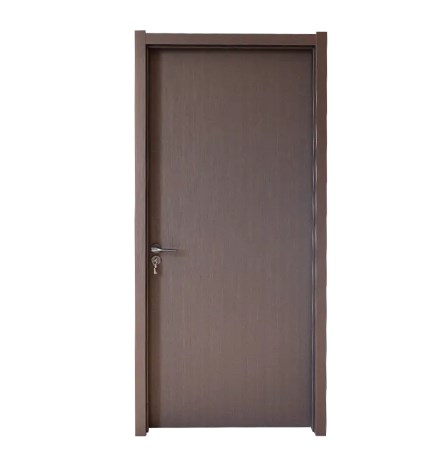
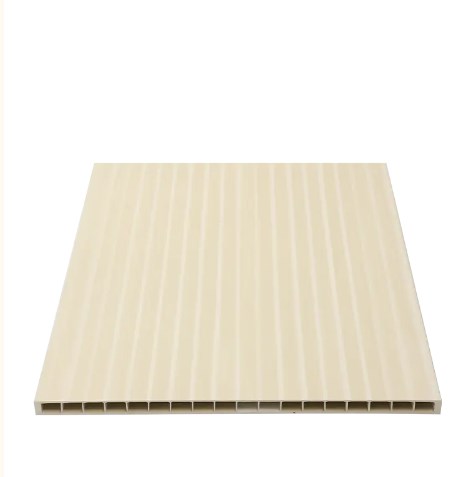
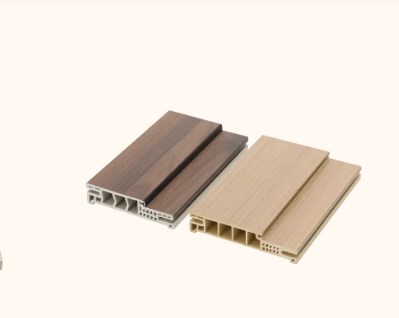
PVC window sill boards are the most practical, cost-effective, and durable choice for both residential and commercial window installations, outperforming traditional wood and stone in moisture resistance and long-term maintenance. When evaluating building materials for window surrounds, the primary goal is to find a solution that withstands environmental stressors without requiring constant upkeep. PVC achieves this by combining the visual appeal of painted wood with the impermeability of plastic. It does not rot, warp, or succumb to insect infestations, making it an investment that pays for itself over time through drastically reduced maintenance costs. For anyone looking to upgrade a property or complete a new build, PVC window sill boards offer an unparalleled balance of aesthetic versatility and structural reliability.
To fully appreciate the value of a PVC window sill board, it is essential to understand what the material is and how it behaves under various conditions. PVC stands for polyvinyl chloride, a synthetic plastic polymer that is widely used in construction due to its rigid, lightweight, and highly stable nature. Unlike organic materials such as timber, PVC is completely inorganic, meaning it lacks the cellular structure that fungi and insects rely on for sustenance.
The manufacturing process involves extruding the PVC compound into precise profiles, often featuring internal hollow chambers. These chambers serve a dual purpose: they reduce the overall weight of the board, making it easier to handle and install, and they provide excellent thermal insulation. By trapping air within these chambers, the material prevents the rapid transfer of heat and cold from the exterior to the interior of the building. This intrinsic thermal break is a significant advantage over solid materials like stone or concrete, which can feel extremely cold to the touch and contribute to heat loss around the window perimeter.
Furthermore, the surface of a PVC window sill board is typically co-extruded with a cap layer that contains UV stabilizers and impact modifiers. This outer skin is what gives the board its color and protects the internal structure from the degrading effects of direct sunlight. Because the color is baked into the material during the extrusion process, it does not flake, peel, or fade as easily as externally applied paints do. This results in a finish that remains vibrant and intact for many years, even in harsh, sun-exposed environments.
The most critical vulnerability of any window component is its exposure to water. Rain, snow, condensation, and humidity constantly test the integrity of window sills. PVC window sill boards possess a near-zero water absorption rate, effectively eliminating the risk of water-related deterioration. When water sits on a wooden sill, it penetrates the wood fibers, causing them to swell. As the wood dries, it shrinks. This constant cycle of expansion and contraction inevitably leads to cracking, warping, and the eventual failure of the paint seal, which accelerates the rotting process.
In contrast, a PVC window sill board acts as an impermeable barrier. Water simply pools on the surface or runs off, leaving the material entirely unaffected. This characteristic is particularly beneficial in high-humidity areas such as bathrooms, kitchens, and basements, where condensation frequently forms on the glass and drips down onto the sill. Additionally, in climates with heavy rainfall or freeze-thaw cycles, PVC will not absorb moisture that could later freeze and crack the material. This immunity to water damage fundamentally changes the lifecycle of the window sill, shifting it from a component that requires regular waterproofing treatments to one that performs flawlessly without any intervention.
To truly understand where PVC excels, it is necessary to compare it directly against the materials it is designed to replace. The three most common alternatives are wood, natural stone, and aluminum. Each has its merits, but all fall short in specific areas where PVC thrives.
Wood offers a classic, high-end aesthetic that is difficult to replicate perfectly. However, the hidden costs of wood are substantial. To maintain a wooden window sill, it must be sanded, primed, and painted every few years. If this maintenance is neglected, the sill will quickly deteriorate. PVC eliminates this recurring labor and material cost. While early PVC profiles sometimes looked overly plastic, modern manufacturing techniques produce profiles with woodgrain textures and matte finishes that closely mimic the look of painted wood, providing a highly convincing aesthetic without the vulnerability.
Stone, such as marble or granite, is incredibly durable and luxurious. However, it is extremely heavy, which complicates transportation and installation, often requiring multiple workers or mechanical lifting aids. Stone is also porous, meaning it requires periodic sealing to prevent staining from water or biological growth. Furthermore, stone is a poor thermal insulator and can be quite expensive to source and fabricate. A PVC window sill board provides a clean, modern look at a fraction of the weight and cost, while offering superior thermal performance and zero need for sealing.
Aluminum is lightweight, strong, and resistant to rot, making it a popular choice for commercial buildings. The primary drawback of aluminum is its high thermal conductivity. In cold weather, an aluminum sill acts as a thermal bridge, drawing heat out of the room and creating a cold surface where condensation readily forms. While thermal breaks can be added to aluminum profiles, they increase the cost significantly. PVC naturally resists thermal transfer, keeping the interior surface warmer and substantially reducing the likelihood of condensation forming on the sill itself.
| Feature | PVC | Wood | Stone | Aluminum |
|---|---|---|---|---|
| Water Resistance | Excellent | Poor | Moderate | Excellent |
| Thermal Insulation | Excellent | Good | Poor | Poor |
| Weight | Light | Moderate | Heavy | Light |
| Maintenance | Low | High | Moderate | Low |
The physical characteristics of a PVC window sill board translate directly into a highly efficient installation process. Because the material is lightweight, a single installer can easily maneuver, measure, and fit lengthy boards without assistance. This dramatically reduces the physical strain associated with lifting heavy stone or concrete alternatives, and it speeds up the overall project timeline.
From a fabrication standpoint, PVC is exceptionally forgiving. It can be cut to length using standard woodworking tools such as handsaws, circular saws, or miter saws equipped with fine-tooth blades. Unlike stone, which requires specialized diamond-tipped blades and creates a significant amount of hazardous dust, cutting PVC is a clean and straightforward process. The boards can also be easily drilled for fasteners or routed to accommodate specific window frame geometries without chipping or cracking.
Fastening a PVC window sill board is typically achieved using mechanical fasteners, adhesive sealants, or a combination of both. Because PVC does not shrink or expand significantly with temperature fluctuations compared to other plastics, the joints remain tight and secure over time. The ends of the boards are usually capped with matching PVC end caps, which are simply glued into place to provide a seamless, finished look that encloses the hollow core. This streamlined installation process reduces labor costs and minimizes the potential for installation errors.
One of the most compelling reasons to choose a PVC window sill board is the near-elimination of ongoing maintenance. Once installed, the board does not require sanding, painting, varnishing, or sealing. The non-porous surface prevents dirt, grime, and biological matter from penetrating the material, meaning that cleaning is purely a surface-level task.
Routine cleaning involves nothing more than wiping the sill with a damp cloth or sponge. For more stubborn dirt or stains, a mild household detergent mixed with warm water is entirely sufficient. Unlike painted wood, which can be damaged by harsh chemical cleaners, PVC withstands standard cleaning agents without discoloration or surface degradation. It is important, however, to avoid highly abrasive scouring pads or solvents like acetone, as these can dull the surface finish over time, though they will not compromise the structural integrity of the board.
This ease of maintenance is particularly advantageous in multi-story buildings or commercial properties where accessing exterior window sills requires scaffolding or specialized equipment. By eliminating the need to repaint or treat these exterior surfaces periodically, building managers can realize substantial savings in maintenance budgets and reduce the disruption caused by ongoing repair works.
Modern PVC window sill boards are designed to blend seamlessly with a wide variety of architectural styles. They are available in an extensive palette of colors, ranging from standard whites and creams to various shades of grey, brown, and black. This variety allows architects and homeowners to match the sill precisely to the window frame, the interior trim, or the exterior facade of the building.
Beyond solid colors, the embossing techniques used during manufacturing can create highly realistic woodgrain textures. When combined with a high-quality foil wrap or co-extruded color layer, a PVC sill can closely mimic the appearance of oak, mahogany, or pine. This is particularly useful in renovation projects where the goal is to maintain the traditional character of a building while upgrading the performance of the window components.
The profile design of PVC sills also contributes to their aesthetic appeal. They typically feature a slightly sloped top surface designed to direct water away from the window glass, paired with a drip edge underneath the front lip. This drip edge is a crucial architectural detail that prevents water from curling under the sill and running down the face of the wall below, which could cause staining or moisture damage. The clean lines and precise angles of extruded PVC ensure that these functional elements look sharp and intentional, enhancing the overall visual quality of the window installation.
A window sill is continuously exposed to some of the harshest environmental conditions a building material can face. Ultraviolet radiation from the sun, fluctuating temperatures, airborne pollutants, and biological growth all pose significant threats. PVC is uniquely equipped to handle these stressors. As mentioned earlier, the inclusion of UV stabilizers in the outer cap layer prevents the material from becoming brittle or fading under constant sun exposure. This ensures that the structural integrity of the sill is maintained even after years of direct sunlight.
Temperature fluctuations cause materials to expand and contract. PVC has a relatively low coefficient of thermal expansion compared to many other plastics, and its multi-chamber profile design allows it to flex slightly without warping. This means that in the extreme heat of summer or the freezing cold of winter, the sill will remain flat and securely fastened. Biological threats, such as mold, mildew, algae, and wood-boring insects, are completely irrelevant to PVC because the material provides no nutritional value and does not retain the moisture necessary for these organisms to thrive.
As a result of these combined resistances, the functional lifespan of a PVC window sill board is remarkably long. When installed correctly, a high-quality PVC sill can easily last for several decades without needing replacement, representing a highly durable building solution. This longevity reduces the environmental impact associated with manufacturing and transporting replacement materials, contributing to a more sustainable approach to building maintenance.
Achieving the maximum performance and lifespan from a PVC window sill board relies heavily on proper installation. Following a systematic approach ensures a watertight seal and a clean finish.
When evaluating building materials, it is a common mistake to focus solely on the initial purchase price. A true cost analysis must consider the total cost of ownership over the entire lifespan of the product. In this context, the PVC window sill board is exceptionally competitive. The upfront material cost of PVC is generally lower than that of natural stone and often comparable to, or slightly higher than, basic softwood. However, the financial divergence occurs immediately after installation.
With wood, the owner must factor in the cost of primer, paint, sandpaper, caulk, and the labor required to apply them every few years. Over a few decades, these recurring costs can easily exceed the initial price of the sill itself. Stone requires the periodic purchase of specialized sealers and the labor to apply them. Aluminum, while low maintenance, often carries a higher initial price tag, particularly if thermal break features are included to match the insulation performance of PVC.
Because the PVC window sill board requires only basic cleaning and no restorative treatments, its post-installation costs are practically zero. When this zero-maintenance profile is combined with the material's long lifespan, the overall return on investment becomes highly favorable. Choosing a PVC window sill board ultimately reduces the total expenditure on window maintenance over the life of the building, making it the most economically sound decision.
Due to its unique blend of properties, the PVC window sill board is suitable for a vast array of applications across different building types. Understanding where it performs best can help in specifying the right product for the right environment.
Despite its widespread use and proven track record, there are still some misconceptions surrounding PVC as a building material. One of the most common is the belief that PVC looks cheap or overly plastic. While this may have been true of early-generation products, modern PVC window sill boards are manufactured with high-resolution embossing and high-quality color coatings that make them visually indistinguishable from painted wood from a normal viewing distance.
Another misconception is that PVC is not environmentally friendly. It is true that PVC is a synthetic plastic and does not biodegrade. However, its exceptional durability means that it does not need to be replaced frequently, reducing the consumption of raw materials over time. Furthermore, PVC is highly recyclable. At the end of its functional life, a PVC window sill board can be collected, ground down, and reused in the manufacturing of new PVC profiles, contributing to a circular economy. The energy required to produce and transport lightweight PVC is also significantly lower than that required for heavy, energy-intensive materials like stone or aluminum.
A final concern sometimes raised is regarding the structural strength of PVC. Critics argue that because it is lightweight, it must be weak. In reality, the multi-chamber profile design provides excellent rigidity and load-bearing capacity for its intended application. A PVC window sill board is more than capable of supporting potted plants, decorative items, and the normal wear and tear of a busy household without bending or breaking, provided it is properly supported underneath during installation.
The manufacturing processes and chemical formulations associated with PVC continue to evolve. One of the most significant trends is the move toward lead-free and calcium-zinc stabilizers in the production of PVC profiles. This shift makes the material safer to manufacture and handle, and it reduces the environmental impact of the production process without compromising the performance or longevity of the final product.
Another area of development is the enhancement of surface technologies. Manufacturers are continually improving the scratch and impact resistance of the outer cap layer. Some advanced profiles now feature self-cleaning coatings that break down dirt and organic matter when exposed to sunlight, further reducing the already minimal maintenance requirements. Additionally, the integration of flame retardants into the PVC compound is becoming more sophisticated, ensuring that the material meets increasingly stringent fire safety regulations for commercial and high-rise residential applications.
The customization of profiles is also expanding. Rather than relying solely on standard sizes and shapes, modern extrusion lines can easily produce custom widths, depths, and geometries to match historic window profiles or accommodate unique architectural designs. This flexibility ensures that PVC can be integrated into virtually any building style, from ultra-modern minimalist designs to historically sensitive restorations, without compromising the aesthetic vision of the project.

 English

 English
 عربى
عربى Español