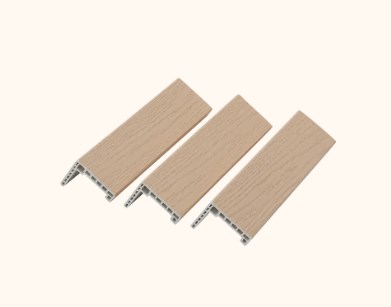
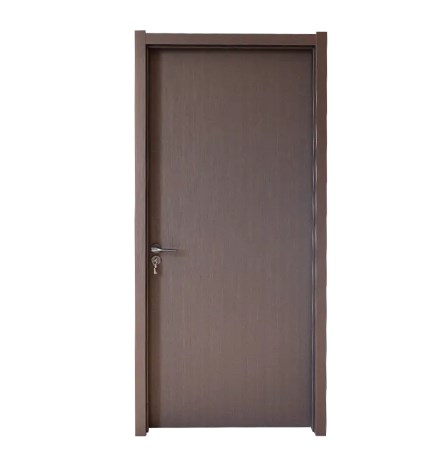
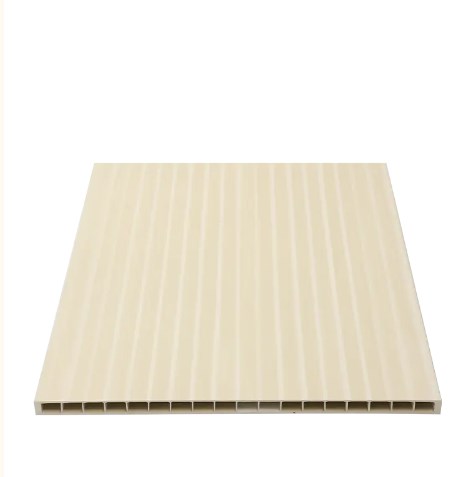
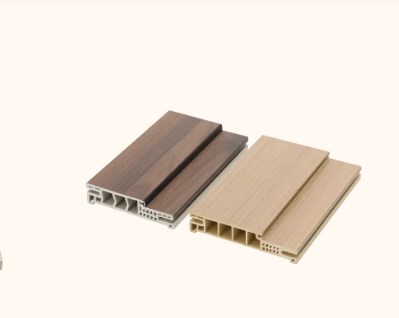
As demand for environmentally-friendly and durable building materials grows, Full WPC Door Manufacturers are at the forefront of delivering high-quality, sustainable products. This article explores how these manufacturers ensure quality and sustainability while meeting both commercial and residential needs. We will delve into their manufacturing processes, material selection, and the key factors that influence their commitment to sustainability.
Full WPC doors are made from Wood Plastic Composite (WPC), a blend of wood fibers and plastic materials that combine the best features of both. WPC doors offer several advantages, including high durability, low maintenance, and excellent resistance to weathering, making them suitable for both interior and exterior applications.
For homeowners looking for the best full WPC door manufacturers for home use, quality assurance is essential. Manufacturers prioritize several factors to deliver high-quality doors that are both visually appealing and functionally reliable. They focus on raw material selection, quality control during production, and post-manufacturing testing.
For commercial projects, finding affordable yet high-quality doors is crucial. This leads many to search for affordable full WPC door manufacturers for commercial projects. Manufacturers cater to commercial needs by balancing cost-effectiveness with durability.
| Criteria | Residential | Commercial |
| Cost | Moderate pricing, quality-focused | Cost-effective with bulk pricing |
| Design Flexibility | Highly customizable for aesthetic appeal | Standardized designs for efficiency |
| Durability | Strong durability for long-term use | Extremely durable to withstand heavy use |
In recent years, the demand for sustainable materials has risen sharply. This has led many consumers to seek out sustainable full WPC door manufacturers with eco-friendly materials. WPC doors are inherently sustainable, as they often use recycled wood and plastics, reducing waste and environmental impact.
By extending the lifecycle of a product through durability and recyclability, WPC doors contribute to reducing landfill waste and conserving natural resources. They offer a sustainable option compared to traditional wood doors, which often require intensive resource extraction and maintenance.
One of the main selling points of WPC doors is their reliability for high durability. Full WPC door manufacturers focus on ensuring that their products can withstand extreme weather conditions, heavy traffic, and other stress factors.
Choosing the right full WPC door manufacturer is critical for both residential and commercial projects. Manufacturers that focus on quality, sustainability, and durability provide a reliable and environmentally friendly solution. By ensuring the right materials, production processes, and testing, these manufacturers offer long-lasting products that meet the growing demand for eco-friendly and durable building materials.
WPC doors are made from a combination of wood fibers and plastics, making them resistant to moisture, warping, and decay. They are more durable and require less maintenance than traditional wooden doors.
Yes, WPC doors are eco-friendly as they are made from recycled materials, such as wood fibers and plastics, reducing waste and supporting sustainability.
Yes, WPC doors are versatile and can be customized to suit both residential and commercial needs, offering durability and aesthetic flexibility.
Manufacturers ensure sustainability by using recycled materials, adopting energy-efficient production processes, and obtaining eco-certifications to minimize their environmental impact.
Yes, WPC doors are specifically designed to resist weathering, UV radiation, humidity, and temperature fluctuations, making them ideal for outdoor and high-moisture environments.

 English

 English
 عربى
عربى Español