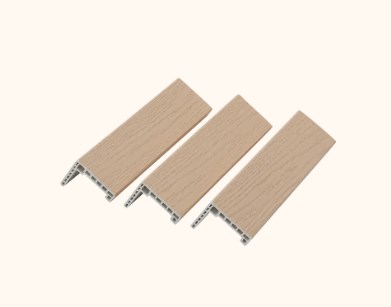
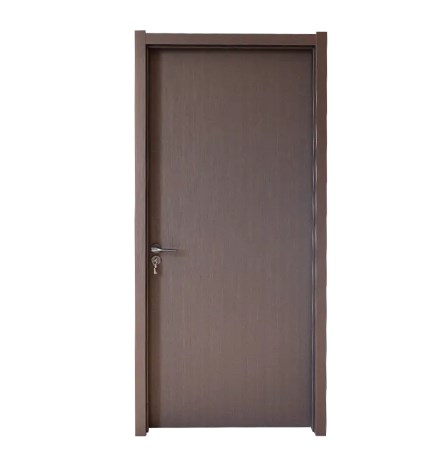
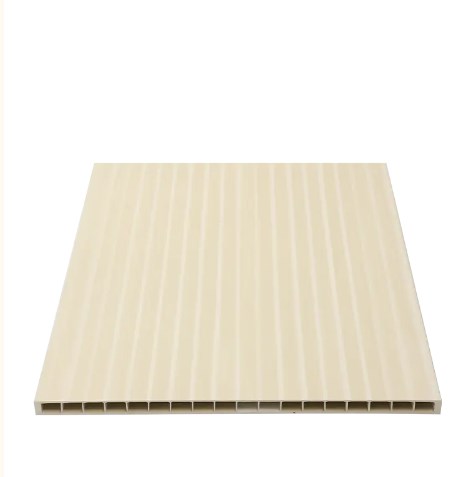
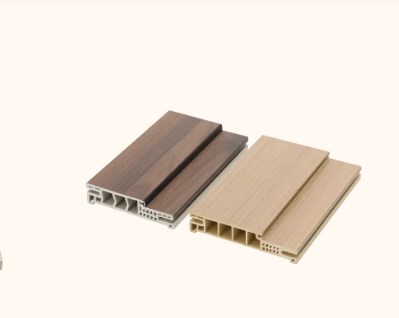
In modern architecture and home decoration, PVC profiles, as an important building material, are widely used in doors, windows, wall panels, flooring, and other areas. The advantages of PVC profiles lie in their durability, environmental friendliness, and excellent processing performance, which have given them a significant position in the construction industry. As a PVC profile manufacturer, it is necessary to understand not only the characteristics of the raw materials but also to master advanced production processes, equipment, and technologies.
PVC profiles are plastic profiles made from polyvinyl chloride resin as the main raw material, extruded through a special processing technology with the addition of a certain proportion of stabilizers, plasticizers, pigments, and other auxiliary materials. They have the following significant characteristics:
These characteristics give PVC profiles great application potential in many construction fields.
The production process of PVC profiles usually includes several steps, including compounding, extrusion, cooling, cutting, and surface treatment. Each step is crucial and directly affects the quality and performance of the final product.
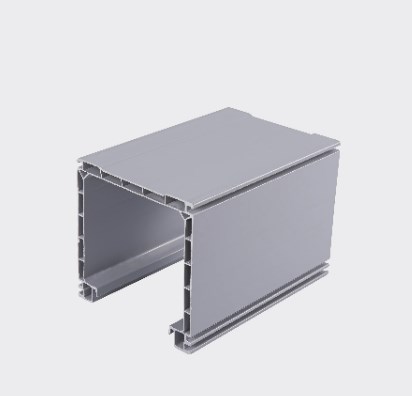
The production of PVC profiles begins with the selection and compounding of raw materials. Polyvinyl chloride resin is the main raw material, and in addition to the resin, stabilizers, plasticizers, UV stabilizers, and other auxiliary materials are needed. The proportion and quality of these auxiliary materials directly affect the performance of the PVC profiles. All materials need to be precisely proportioned and uniformly mixed after feeding to ensure the stability and quality of the final product.
Extrusion molding is the core link in the production of PVC profiles. Using a high-temperature melt extruder, the PVC mixture is heated to a specific temperature and extruded into shape by the screw. The precision of the extruder and the stability of the temperature control system are crucial to the quality of the profiles. Different mold designs can produce PVC profiles of different specifications, requiring precise process control and technical support.
After the PVC profiles emerge from the extruder, they need to go through a cooling system. During this process, the profiles enter a cooling tank, where they are cooled by water or air to harden and set their shape. The cooling speed and method affect the surface quality and dimensional accuracy of the profiles, so the design of the cooling system needs to be particularly precise.
The cooled PVC profiles are then sent to a cutting machine to be cut to the required length according to customer needs. If surface decoration is required, the cut profiles can be treated with spraying, lamination, brushing, etc. Surface treatment not only enhances the aesthetics of the profiles but also increases their corrosion resistance and UV resistance.
Due to their excellent physical properties, PVC profiles have been widely used in various fields such as construction, home furnishings, automobiles, and electronics. Especially in the construction industry, the use of PVC profiles is ubiquitous.
PVC profiles have an irreplaceable position in door and window manufacturing. Due to their excellent sound insulation and thermal insulation properties, PVC window frames are widely used in energy-efficient buildings. Compared with traditional aluminum alloy window frames, PVC window frames are more corrosion-resistant, have better thermal insulation, and can effectively isolate outdoor noise and heat, improving indoor comfort.
PVC profiles also have important applications in exterior wall decoration, interior wall panels, and ceilings. Their weather resistance, corrosion resistance, and good surface decoration effects make them ideal materials for exterior and interior decoration. Especially in recent years, with increasingly stringent environmental requirements, PVC profiles have become the preferred choice for green building materials due to their recyclability.
The lightweight and sturdy characteristics of PVC profiles make them widely used in furniture, flooring, cabinets, office desks, and other home furnishings. Through advanced extrusion processes, PVC profiles can achieve a wide range of colors and textures, meeting the needs of different design styles.
To ensure the quality and performance of PVC profiles, manufacturers must maintain strict control at every stage of production. First, material selection is crucial. High-quality PVC resin and additives are the foundation for producing high-performance profiles. Second, the upgrading of production equipment and technology is also key to improving product quality. Modern production lines can provide higher precision manufacturing, ensuring the consistency of size, strength, and appearance of each profile. Finally, quality control and testing are equally important. From raw material entry to finished product delivery, every stage requires rigorous quality testing to ensure that the final product meets national and industry standards.
With the gradual strengthening of environmental policies, the production of PVC profiles faces more environmental requirements. The production process of PVC profiles generates a certain amount of waste and emissions, requiring manufacturers to adopt effective environmental protection measures. For example, using environmentally friendly plasticizers to reduce harmful substances produced during the production process; and recycling waste materials to reduce resource waste. This not only aligns with the concept of green development but also helps companies establish a responsible brand image.
PVC profiles have a very long service life, usually exceeding 20 years under normal use. Their weather resistance and UV resistance allow them to maintain good performance even in harsh environments.
Yes, PVC profiles are recyclable. With increasing environmental awareness, many manufacturers have begun to recycle and reuse waste generated during the production process. This not only helps reduce the environmental impact but also lowers production costs.
The surface of PVC profiles is usually quite hard and not easily scratched. However, in some special cases, such as friction with metal objects or strong impact, scratches may occur on the surface. Therefore, excessive collision should be avoided during use.
The weather resistance of PVC profiles makes them suitable for various climate conditions. Whether in hot desert regions or in cold northern areas, PVC profiles can maintain good performance, resisting corrosion, UV radiation, and aging.

 English

 English
 عربى
عربى Español