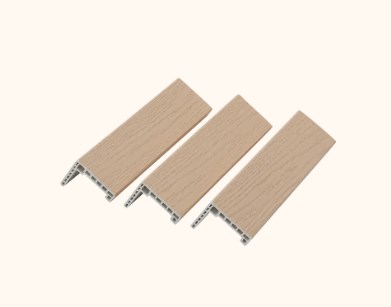
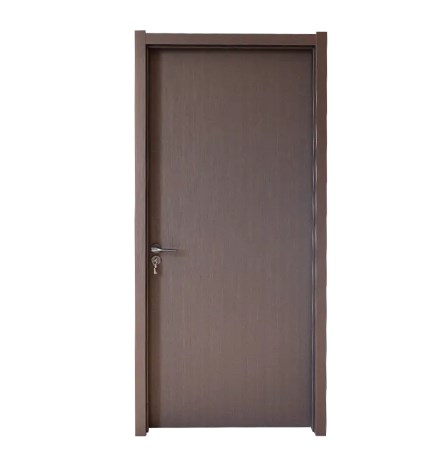
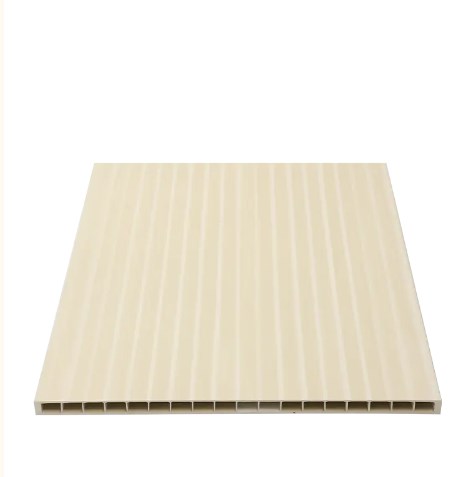
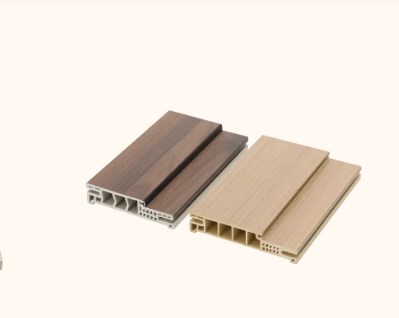
In modern home decoration, skirting boards are not merely decorative transitions between walls and floors, but also key elements reflecting the overall aesthetics and functionality of the space. WPC skirting boards, with their unique material advantages and superior performance, are gradually becoming a new favorite in interior design.
The core material of WPC skirting boards is wood-plastic composite, made from natural wood powder or plant fibers and high-molecular polymers through high-temperature extrusion or injection molding. Compared to traditional wooden skirting boards, WPC skirting boards have significant advantages in water resistance, corrosion resistance, and impact resistance. The wood elements give them a natural texture and a warm feel, while the plastic substrate enhances the overall structural stability, making them less prone to deformation or cracking in humid environments.
WPC material is highly environmentally friendly. The wood powder in the material comes from renewable resources, and the plastic portion uses recyclable polymer materials. The entire production process does not require the extensive use of harmful chemical additives, which makes WPC skirting boards not only compliant with modern environmental standards but also ensure a healthy and comfortable living environment for families.
WPC skirting boards offer exceptional visual adaptability and decorative appeal. Through advanced surface treatment technologies, such as wood grain embossing, matte, or high-gloss finishes, they can achieve a texture virtually indistinguishable from solid wood. Furthermore, WPC skirting boards offer a wide range of colors, from light to dark, from minimalist modern to classic retro, ensuring a suitable match for various home styles.
In interior design, skirting boards not only serve as a transition between the floor and walls but also guide the visual hierarchy of the space. WPC skirting boards, with their scientifically designed thickness and height, visually elongate the proportions of a space, enhancing the overall sense of depth and comfort. Their smooth edges and refined finishing also contribute to a higher level of completion in the overall aesthetic.
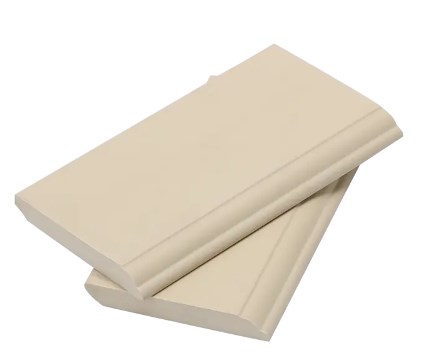
WPC skirting boards offer functionality far exceeding that of traditional wood or PVC materials. Firstly, their excellent moisture resistance ensures stability and aesthetics even in high-humidity environments such as kitchens and bathrooms, preventing issues like expansion, warping, or cracking. Secondly, WPC baseboards boast excellent impact and abrasion resistance, effectively protecting against damage from furniture collisions or daily cleaning.
Another significant feature is their mold and insect resistance. Traditional wooden baseboards are prone to mold growth or termite infestation, while WPC material itself is resistant to mold and pests, providing reliable protection for family health. Simultaneously, WPC baseboards also offer some sound insulation and heat preservation, performing particularly well in spaces with underfloor heating or high-frequency use.
WPC baseboards offer high ease of installation. Due to their lightweight and dimensional stability, installation requires no complex techniques or special tools; they can be installed via adhesive, clips, or screws, resulting in high efficiency and reduced errors. Furthermore, their good flexibility allows them to adapt to slightly uneven walls without requiring major adjustments or repairs.
In terms of daily maintenance, WPC baseboards also perform excellently. Their surface is easy to clean, requiring no special care; simply wipe with a damp cloth to remove dust and stains. Compared to traditional solid wood baseboards, WPC baseboards do not require regular waxing or anti-corrosion treatment, significantly reducing maintenance costs and labor intensity.
With the increasing popularity of environmental protection concepts in home decoration, the environmental attributes of WPC baseboards have become a key selling point. The material itself uses recycled wood flour and recyclable plastics, producing no large amounts of harmful volatile organic compounds. The production process utilizes low-energy extrusion and hot-pressing technologies, effectively reducing carbon emissions and resource waste. At the end of its lifespan, WPC baseboards can still be recycled, maximizing the value of the material.
The durability of WPC baseboards means reduced replacement frequency, thereby reducing material consumption and the environmental impact of secondary renovations. For families pursuing green living and sustainable decoration, WPC baseboards are an ideal choice that combines aesthetics, functionality, and environmental friendliness.
While this article does not focus on industry trends, from the product perspective, WPC baseboards are playing an increasingly important role in modern home decoration. The combination of its comprehensive performance and design aesthetics makes it not only a functional choice for basic decoration but also an aesthetic element of spatial design. WPC baseboards offer a high degree of customization to suit diverse interior design styles and meet various renovation needs.
A: Yes. WPC material is inherently moisture-proof and waterproof, suitable for kitchens, bathrooms, and underfloor heating environments, and is not prone to expansion or deformation.
A: Very simple. The surface is easy to clean, requiring no waxing or special care; simply wipe with a damp cloth to keep it clean.
A: Compared to traditional wooden baseboards, WPC baseboards are wear-resistant, impact-resistant, mildew-resistant, and insect-resistant, significantly extending their lifespan.
A: Yes. WPC material is renewable and recyclable, and the production process is low-carbon and environmentally friendly, aligning with modern green home concepts.
A: No. WPC skirting boards are lightweight and dimensionally stable, and can be fixed by adhesive, clips, or screws, making installation simple and efficient.

 English

 English
 عربى
عربى Español