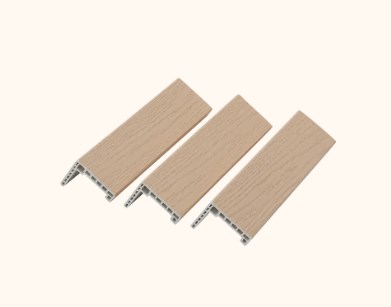
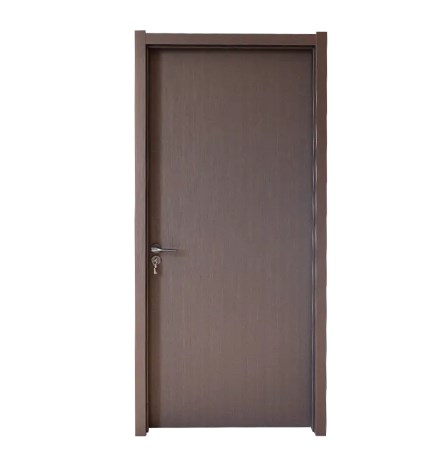
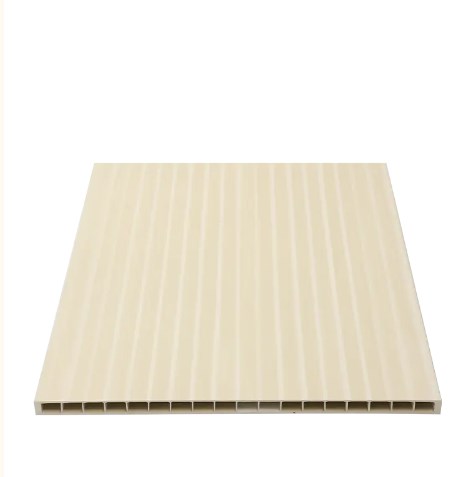
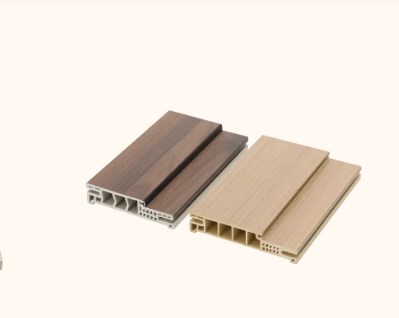
A qualified WPC panel manufacturer must meet three core standards: stable raw material ratios, standardized production technology, and complete quality inspection systems. These manufacturers produce eco-friendly, weather-resistant, and long-lasting WPC panels that satisfy both residential and commercial construction demands, while complying with international environmental and safety standards.
Unlike small-scale workshops, professional manufacturers invest in automated production lines, material testing equipment, and technical research teams, ensuring product consistency and performance stability. Choosing such manufacturers guarantees high-quality WPC panels and complete after-sales technical support for global buyers and project contractors.
The performance of WPC panels is directly determined by raw material formulation, which is the foundation of manufacturing. All professional WPC panel manufacturers follow strict raw material selection and mixing rules to ensure final product quality.
Top manufacturers only use food-grade or industrial-grade recycled plastics and pure wood fibers, avoiding low-quality fillers that reduce panel strength and service life. Every batch of raw materials will be tested for purity, moisture content, and mechanical properties before production.
Professional WPC panel manufacturers adopt fully automated production lines to achieve precise control over the entire manufacturing process. The standardized workflow directly affects panel density, surface finish, and dimensional stability.
Advanced manufacturers use online monitoring systems to adjust temperature, pressure, and speed in real time, ensuring that each panel meets unified quality standards. This level of production control cannot be achieved by small unqualified factories.
Quality inspection is the final barrier to ensure WPC panel performance. Reliable manufacturers carry out multi-dimensional testing before products leave the factory, covering physical properties, environmental adaptability, and safety indicators.
| Inspection Item | Testing Standard | Qualified Requirement |
|---|---|---|
| Density Test | Physical Property | Stable Uniformity |
| Water Absorption | Weather Resistance | Low Absorption Rate |
| UV Resistance | Outdoor Durability | No Fading/Deformation |
Manufacturers with complete quality systems can provide official test reports for each batch of products, proving compliance with international market standards. This is a critical reference for buyers to evaluate manufacturer strength.
Established WPC panel manufacturers provide diversified product lines to adapt to different architectural and decorative needs. Their products cover indoor and outdoor applications with customized sizes and surface treatments.
Professional manufacturers support customized R&D and production according to customer project requirements, including color matching, structural design, and performance enhancement. This flexible service capability is a major advantage of mature manufacturing enterprises.
Modern WPC panel manufacturers prioritize environmental protection as a core corporate responsibility. The WPC industry itself is a recycling-oriented industry that turns waste wood and plastic into high-value building materials.
Reliable manufacturers use 100% recycled plastic and waste wood fibers in production, reducing forest logging and plastic pollution. Their production lines are equipped with waste gas and dust treatment systems to minimize environmental impact.
In addition, qualified manufacturers comply with international environmental certification standards, ensuring that their products are non-toxic, odorless, and free of harmful substances. These eco-friendly features make WPC panels widely recognized in green building projects around the world.
For global buyers and project developers, choosing the right WPC panel manufacturer directly affects project quality and cost control. The selection process should focus on practical capabilities rather than promotional information.
Manufacturers that pass these assessments can provide stable, high-quality, and cost-effective WPC panels. Long-term cooperation with such manufacturers brings sustainable benefits to construction and decoration projects.

 English

 English
 عربى
عربى Español