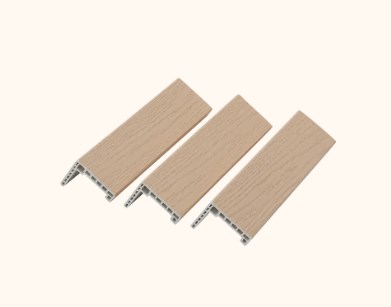
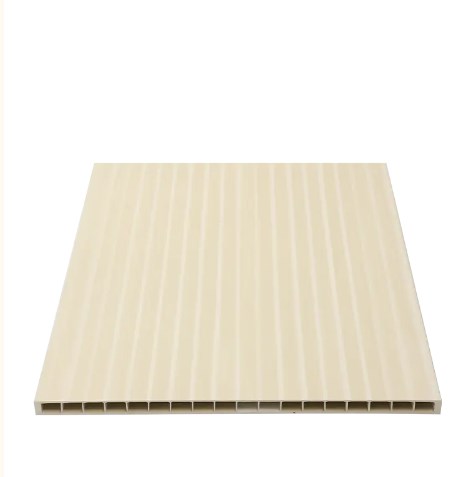
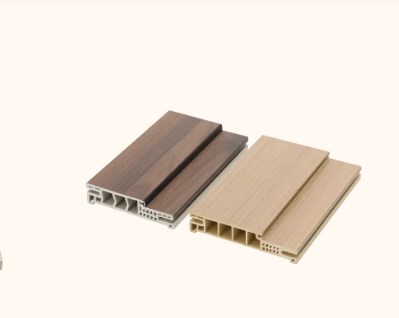
When it comes to finishing the junction between walls and floors, WPC skirting boards offer the most balanced solution available today. They effectively eliminate the vulnerabilities of traditional timber and the aesthetic limitations of plastic by combining wood fibers and plastic polymers. This hybrid composition ensures that the boards provide superior moisture resistance, exceptional durability against daily wear and tear, and a visually appealing finish that seamlessly integrates with various interior design styles. For any residential or commercial renovation seeking a long-lasting, low-maintenance, and stylish perimeter finish, WPC skirting is the definitive choice.
To fully appreciate the value of WPC skirting boards, one must look into what they are made of and how those materials translate into real-world benefits. WPC stands for Wood Plastic Composite. The manufacturing process blends reclaimed wood fibers or sawdust with thermoplastics, often supplemented with chemical additives to enhance UV resistance, color fastness, and structural integrity.
The brilliance of WPC lies in its synergistic composition. The wood component provides structural rigidity, a natural appearance, and the ability to be cut or installed similarly to traditional timber. Conversely, the plastic component acts as a protective shield, wrapping the wood fibers in a moisture-proof embrace. This means the board will not swell, warp, or rot when exposed to humidity or occasional liquid spills. Furthermore, the addition of specialized additives during extrusion ensures that the boards resist termite infestations and fungal growth, which are common nightmares in damp environments.
While solid wood offers a classic look, it is highly susceptible to environmental changes. MDF (Medium Density Fiberboard) is affordable but practically disintegrates upon contact with water. PVC is waterproof but looks undeniably cheap and lacks structural strength. WPC skirting boards bridge these gaps perfectly. They provide the premium texture and paintability of wood, the waterproof assurance of PVC, and an impact resistance that exceeds both. They do not require painting or sealing upon installation, saving both time and ongoing maintenance costs.
Beyond their visual appeal, skirting boards serve critical functional purposes in any room. Ignoring the quality of this finishing touch can lead to costly damages and maintenance headaches down the line. WPC profiles excel in these functional requirements, ensuring the longevity of both the wall and the floor.
The lower portion of a wall is the most vulnerable area in any room. Daily activities such as vacuuming, moving furniture, or even the scuff marks from shoes can permanently stain or dent drywall and plaster. A robust WPC skirting board acts as an indestructible buffer. Because of its high impact resistance, it absorbs the shock from accidental bumps and scrapes, keeping the wall surface pristine. This is particularly crucial in high-traffic areas like hallways, commercial corridors, and family living rooms.
Walls and floors are rarely perfectly straight, leaving uneven gaps during construction. These gaps become collection points for dust, debris, and even small insects, making cleaning frustrating and reducing indoor hygiene. Installing a skirting board seals these edges perfectly. Moreover, modern living requires extensive wiring for electronics, lighting, and networking. Many WPC skirting boards feature built-in cable channels or are designed to be easily routed out, allowing you to hide unsightly cables seamlessly without the need for additional trunking or wall chasing.
Floating floors, particularly laminate and engineered wood, naturally expand and contract with changes in temperature and humidity. Installers must leave an expansion gap around the perimeter of the room to prevent the floor from buckling. The skirting board is the only element that covers this necessary but unsightly gap. Because WPC itself has a very low coefficient of thermal expansion, it remains stable against the moving floor edge without shifting or cracking under the pressure.
One of the reasons WPC skirting boards are highly favored by both professionals and DIY enthusiasts is their straightforward installation process. While specific methods may vary slightly depending on the profile design, the fundamental principles remain consistent and accessible.
Before beginning the installation, ensuring you have the right tools and a properly prepared workspace is essential for a flawless finish. You will typically need a miter saw or a fine-tooth hand saw for precise angled cuts, a measuring tape, a pencil, and appropriate adhesive or mechanical fixings. The walls should be dry, clean, and free of loose debris. It is also crucial to allow the WPC boards to acclimatize to the room's temperature and humidity for at least 48 hours prior to installation to prevent any post-installation movement.
Start by measuring the walls and cutting the boards to the required lengths. For internal corners, it is often easier to cope the joint rather than mitering it, as this accommodates slight wall imperfections better. For external corners, precise 45-degree miter cuts are standard. Apply a continuous bead of construction adhesive to the back of the board, focusing on the top and bottom edges where it meets the wall. Press the board firmly against the wall, applying even pressure along its entire length. If the wall is uneven, you may need to use small pins or a nail gun at the top edge to hold it in place while the adhesive cures. Always remember to drill pilot holes if using screws to prevent the WPC material from splitting.
Choosing the right material can be overwhelming when faced with multiple options. To make an informed decision, it helps to directly compare WPC with the other common materials on the market. The following table breaks down the critical performance metrics of each option.
| Material Type | Water Resistance | Impact Resistance | Aesthetic Versatility | Maintenance Level |
|---|---|---|---|---|
| Solid Wood | Low | High | High | High |
| MDF | Very Low | Medium | Medium | Medium |
| PVC | Excellent | Low | Low | Low |
| WPC | Excellent | High | High | Low |
As demonstrated above, while solid wood offers aesthetic warmth, its vulnerability to moisture makes it unsuitable for kitchens or bathrooms. MDF is cost-effective but easily dents and swells. PVC solves the water issue but easily cracks upon impact and looks artificial. WPC uniquely achieves top-tier performance across all critical categories, making it the most reliable choice for comprehensive interior applications.
A skirting board is not merely a functional strip; it is a vital design element that dictates the visual transition between the vertical wall and the horizontal floor. Getting this transition right is essential for a cohesive interior aesthetic.
The versatility of WPC allows it to be manufactured in a vast array of profiles, ranging from sleek, minimalist straight lines to elaborate, classical ogee and torus shapes. For modern, minimalist interiors, a flat, square-edged profile with a matte finish provides a clean, uninterrupted visual flow. In contrast, Victorian or traditional decors benefit greatly from sculpted profiles that feature deep shadow lines and curves, adding architectural character to the room. Furthermore, WPC technology allows for incredibly realistic wood grain textures that mimic the tactile experience of natural oak, walnut, or pine, providing the warmth of wood without the associated drawbacks.
Choosing the right color for your skirting boards can dramatically alter the perception of a room. There are generally three accepted strategies for color coordination. The first is the traditional contrast method, where white or light-colored skirting is paired with darker walls, creating a crisp, clean architectural outline. The second is the monochromatic approach, where the skirting, wall, and even the ceiling trim share the same color, which can make a small room feel significantly larger and more modern. The third strategy is floor matching, where the skirting seamlessly extends the visual plane of the floor up the wall, creating a grounding, enveloping effect that is particularly cozy in bedrooms and living areas.
The true value of any building material is ultimately realized in its day-to-day maintenance requirements and its lifespan. WPC skirting boards are engineered for longevity, requiring minimal effort to keep them looking pristine for years.
Because WPC does not have porous surfaces like unfinished wood or MDF, it does not absorb dirt, grease, or liquids. Routine cleaning requires nothing more than a soft cloth and mild soapy water. Unlike timber, you never need to sand, varnish, or paint WPC skirting boards to maintain their protective layer. The color is integrated throughout the material during manufacturing, meaning that even if the surface suffers a minor scratch, the underlying layer retains the same color, rendering the scratch nearly invisible. It is important, however, to avoid using abrasive scouring pads or harsh chemical solvents, as these can degrade the protective surface coating over time.
While WPC is highly durable, a few preventative habits can ensure it reaches its maximum lifespan. When moving heavy furniture, lifting it rather than dragging it across the floor will prevent severe gouging to both the floor and the skirting board. In areas prone to excessive water exposure, such as near entryways during rainy seasons, ensuring that standing water is promptly wiped away will protect the adjacent wall and floor materials, even though the WPC itself will remain unharmed. With these basic precautions, WPC skirting boards can easily last for decades without losing their structural integrity or aesthetic appeal.

 English

 English
 عربى
عربى Español