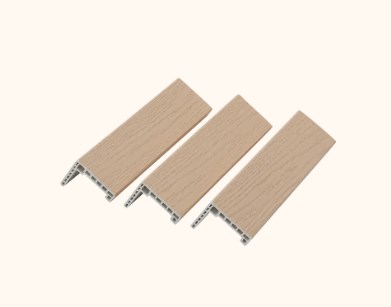
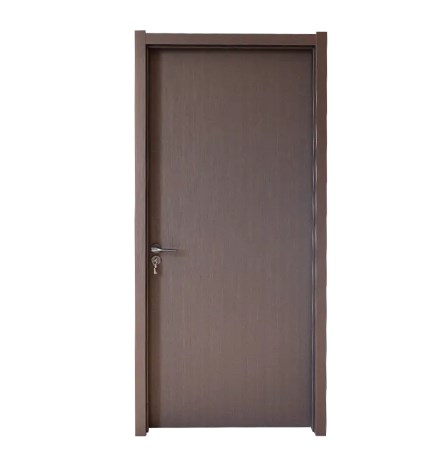
A Full WPC Door is the optimal solution for homeowners seeking the perfect balance between the natural beauty of wood and the high-performance durability of synthetic materials. Unlike traditional wooden doors that warp or peel in humid conditions, a full WPC (Wood Plastic Composite) door utilizes a sophisticated homogeneous structure where wood fibers and thermoplastic materials are fused together. This results in a product that is 100% waterproof, termite-proof, and fire-retardant without requiring the veneers or laminates found in standard doors. It is not merely a door; it is a long-term investment in security, aesthetics, and maintenance-free living.
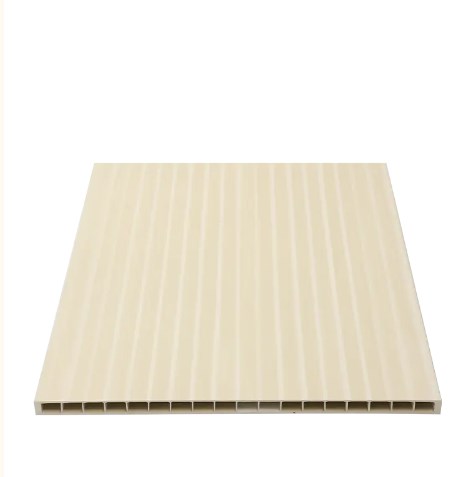
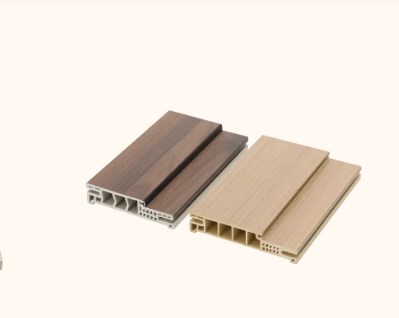
To truly appreciate the value of a full WPC door, one must understand the engineering behind it. The core of this technology lies in the extrusion process, which combines high-quality wood flour or fiber with specialized polymers such as PVC or PE. This mixture is heated and forced through a mold to create a solid, profiled structure.
The most significant advantage of the full WPC door is its absolute resistance to moisture. Traditional doors absorb water from the air, leading to expansion, which causes them to stick to the frame or swell at the bottom. In contrast, the water absorption rate of a full WPC door is near zero.
Because of this property, these doors are the definitive choice for areas where water is prevalent:
Beyond water resistance, the density of the composite material offers excellent acoustic insulation. The solid structure acts as a barrier to noise, making it an ideal choice for bedrooms, home offices, and media rooms. The heavy mass of the door dampens vibrations, significantly reducing the transmission of sound from one room to another compared to hollow core doors.
Thermally, these doors act as effective insulators. The plastic components within the composite do not conduct heat as readily as solid metal doors, helping to maintain stable indoor temperatures and contributing to overall energy efficiency within the home.
Modern manufacturing techniques allow full WPC doors to mimic the textures and grains of real wood so closely that it is often difficult to tell the difference. However, they offer design flexibility that natural wood cannot match.
To highlight the advantages, it is helpful to compare the full WPC door directly against its most common competitors. The table below illustrates the differences in key performance areas.
| Feature | Full WPC Door | Solid Wood Door | Hollow Core / MDF |
|---|---|---|---|
| Water Resistance | 100% Waterproof | Low (Swells/Rots) | Very Low (Disintegrates) |
| Termite Proof | Yes | No | Sometimes |
| Durability | High Impact Resistance | Medium (Prone to cracks) | Low (Easily dented) |
| Maintenance | Wipe and Clean | Regular Polishing Needed | Painting repairs needed |
In an era where sustainability is paramount, full WPC doors offer an environmentally responsible alternative to harvesting slow-growth hardwood forests. These doors utilize recycled wood fibers and reclaimed plastics, diverting waste from landfills and giving it a second life as a durable building material.
Furthermore, the longevity of these doors means that replacement cycles are significantly extended. A door that does not warp, rot, or require chemical treatments to survive is inherently greener over its lifecycle. The absence of formaldehyde and other volatile organic compounds (VOCs) in high-quality WPC formulations also ensures better indoor air quality for the inhabitants.
While the material itself is robust, proper installation ensures that the door performs to its highest potential. Because WPC doors are denser than hollow doors, they require heavy-duty hinges and a robust frame to support the weight without sagging over time.
Maintenance is virtually non-existent, which is one of the strongest selling points. Unlike wood, you never need to sand, varnish, or paint the door.
The Full WPC Door stands out as a triumph of material engineering. It solves the age-old problems of door manufacturing—water damage, pest infestation, and high maintenance—by leveraging the strengths of both wood and plastic. For anyone building a new home or renovating an existing one, choosing a full WPC door guarantees a blend of safety, style, and sustainability that traditional materials simply cannot match. It is a practical, forward-thinking choice that pays dividends in durability and peace of mind for years to come.

 English

 English
 عربى
عربى Español