At a coastal water desalination plant, hot-dip galvanized steel cable trays show visible red rust in as few as 18 months. By year five, corrosion along cut edges, weld points and bolt holes forces a full replacement - a cost no project budget anticipated. The same sequence repeats in chemical plants, wastewater treatment facilities and offshore installations. That is why corrosion resistant cable tray specifications now appear on routine electrical procurement lists, and why engineers need to compare materials, service limits and 25-year total cost before placing an order.
Corrosion, not mechanical overload, is the leading cause of premature cable tray failure in aggressive atmospheres.
Two mechanisms dominate. Chemical corrosion happens when acids, alkalis, salt spray or industrial fumes directly attack the metal surface. Electrochemical or galvanic corrosion occurs when two dissimilar metals are joined in the presence of an electrolyte, such as sea-laden condensation, creating a battery cell that consumes the less noble metal. Both mechanisms act continuously in marine and process environments.
Quantified exposure data underlines the risk. Under the ISO 9223 corrosivity scale, a C5 marine atmosphere removes 4 to 8 microns of zinc per year from galvanized steel. A standard hot-dip galvanized coating of 70 microns is therefore consumed within 10 to 15 years, and where the coating is thinner or scratched, rust appears on the exposed steel much earlier. Salt deposits as low as 10 to 30 mg/m2/day are sufficient to initiate pitting on carbon steel, and can compromise 304 stainless steel where chlorides accumulate beneath cable runs.
No single corrosion resistant cable tray material wins in every environment; the correct choice is a function of chloride level, temperature, chemical exposure and installed budget.
| Material | Corrosion Protection Mechanism | Max Service Temperature | Relative Installed Cost | Service Life in C5 Coastal Air |
| Hot-dip galvanized steel | Sacrificial zinc coating, 65 to 85 microns | Up to 250°C | 1.0x baseline | 5 to 7 years |
| Aluminum 6061 | Natural oxide film; galvanic risk with steel and concrete | Up to 150°C | 1.6x | 10 to 12 years |
| Stainless steel 304 | Chromium oxide passivation; chloride pitting possible | 400°C and above | 2.5x | 10 to 15 years |
| Stainless steel 316 | Molybdenum addition blocks chloride attack | 400°C and above | 3.2x | 20 to 25 years |
| FRP fiberglass | Resin matrix is inherently inert; UV and impact limits remain | 100 to 120°C | 2.8x | 15 to 20 years |
| UPVC polymer | Full-section corrosion resistance; no coating to wear or peel | 60 to 70°C (modified grades) | 1.4x | 20 to 25 years |
Galvanized steel remains the lowest first-cost baseline, but it behaves as a sacrificial system in saline air. Stainless steel 316 is the benchmark metal, yet costs more than three times the baseline and must still be rinsed of salt residue to prevent crevice corrosion. Aluminum is light and moderately priced, but forms galvanic cells with steel fasteners. FRP solves corrosion at a high price and can bloom under sustained ultraviolet exposure. UPVC carries no galvanic risk, needs no protective coating, and offers the lightest installed weight, with its temperature ceiling as the main constraint.
UPVC, or unplasticized polyvinyl chloride, cable tray is corrosion resistant by material chemistry, not by an applied layer. Scratches, drilled holes and cut ends remain as protected as the original factory surface.
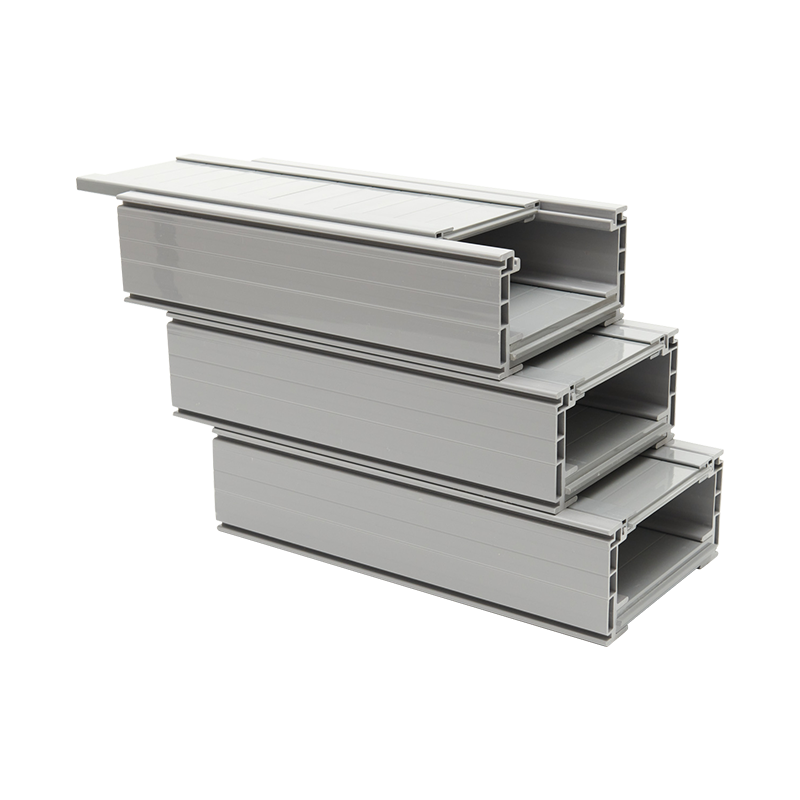 Corrosion-Resistant UPVC Cable Tray for Demanding Industrial SitesThis polymer cable tray resists corrosion through its material chemistry, not a coating, so cut ends and scratches stay protected. It suits seawater, chemical, and food-processing environments, and its insulation and lightweight properties add practical value.View Product →
That single property separates polymer from coated metal. For example, every field-cut galvanized tray end becomes a corrosion entry point unless brush-applied zinc paint is touched up immediately. With UPVC, the entire cross-section is identical material, which is why corrosion resistant cable tray specifications in seawater-intake, chemical storage and food-processing plants increasingly specify polymer systems. The practical benefits of this corrosion resistant cable tray approach are documented in the technical review of polymer tray advantages published on the manufacturer's news page.
Key material properties of a properly formulated UPVC cable tray compound:
Even a corrosion resistant cable tray will fail early if support spacing, drainage or connections contradict the material characteristics.
Custom layouts, including non-standard widths, risers, bends and combined cable tray configurations, require accurate site measurement and factory-confirmed details. Send the site layout to the custom manufacturing team before ordering, so expansion and support points are calculated for the actual run.
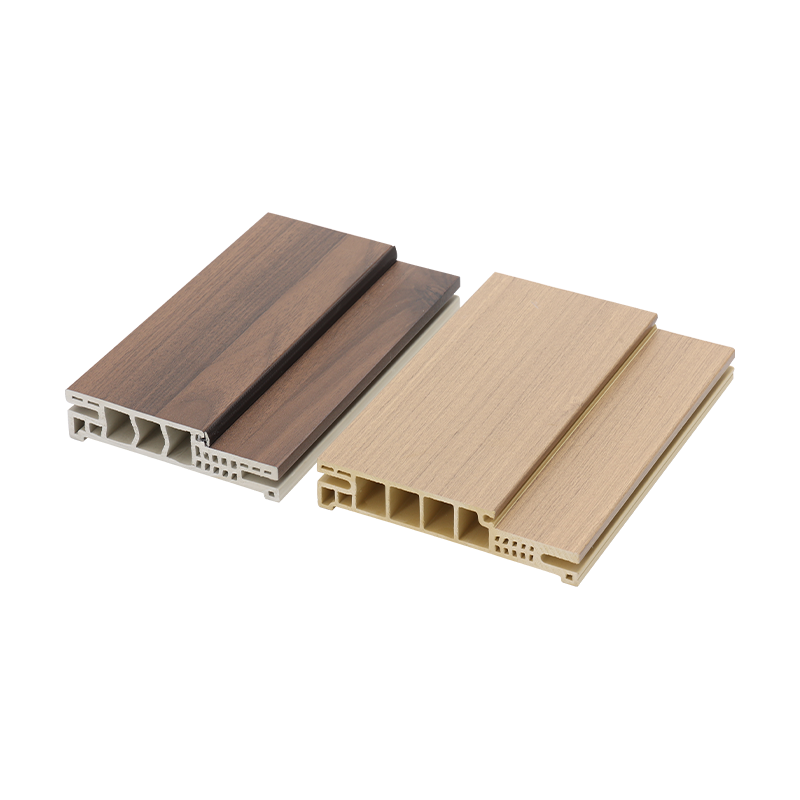 Custom UPVC Cable Tray Fabrication and Layout SupportFor non-standard widths, risers, bends, or combined configurations, this service relies on accurate site measurements and factory-confirmed details. Contact the custom manufacturing team before ordering to ensure expansion and support points are correctly calculated.View Product →
Over a 25-year design life, a corrosion resistant UPVC tray typically costs 30 to 45 percent less than buying and replacing galvanized steel tray twice.
The chart below compares expected service life of tray materials in a C5 marine atmosphere. Values are engineering practice benchmarks, not material guarantees.
Translated into indexed lifecycle cost, the comparison is striking. Galvanized steel starts at 1.0x installed cost but requires roughly two replacements with labor, disposal and downtime, pushing the 25-year total to about 3.0x baseline. UPVC starts at 1.4x baseline, requires no replacement and minimal inspection, closing at roughly 1.5x over the same period. The gap widens as labor rates and production downtime are included.
Most field failures of corrosion resistant cable tray systems begin with installation shortcuts, not material defects.
UPVC and FRP polymer systems resist the widest range of chemical and saline attack because the material is inert throughout the section. Among metals, stainless steel 316 offers the best chloride resistance, but it requires regular salt deposit rinsing and costs over three times the galvanized baseline.
Yes, provided the specified compound is UV-stabilized and the temperature limit is respected. UV-unstabilized polymer can embrittle over years of direct sunlight, so outdoor specifications should state a UV-resistant grade and confirm the expected exposure.
UPVC and stainless steel 316 systems are documented to exceed 20 to 25 years in marine atmosphere when designed and installed per manufacturer instructions. Galvanized steel in the same atmosphere typically requires replacement within 5 to 7 years.
No. In high-temperature or heavy-impact locations, 316 is justified. For general coastal and chemical service below 60°C, a UPVC or FRP system delivers similar corrosion resistance at a significantly lower installed cost and weight.
For project-specific advice on tray type, support span or custom manufactured runs, contact the manufacturer's engineering team with the site corrosivity class and cable load data.

 English

 English
 عربى
عربى Español