Bathroom partitions fail faster than almost any other interior element in a commercial building. The structure around them stays sound, but the wall panels themselves swell, stain, and host mold after two or three seasons of normal use.
A PVC partition panel removes that failure mode at the material level: closed-cell UPVC does not take in moisture, which is why hospital maintenance teams, hotel refurbishment crews, and food-processing plants continue to specify it for wet and high-traffic rooms. This guide covers the specifications that actually predict field performance, a cost and labor comparison against brick, gypsum, and timber, the installation sequence that avoids common defects, and what to verify before placing a factory order.
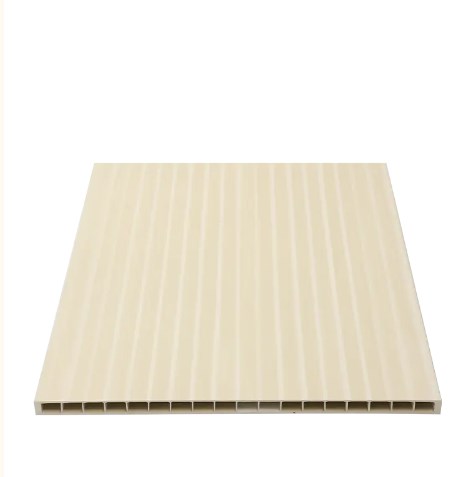
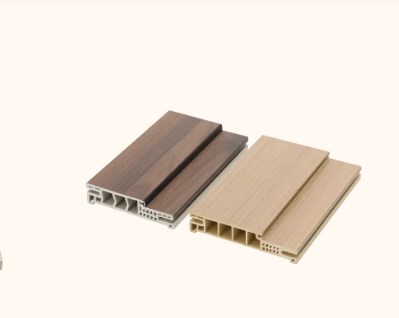
A PVC partition panel is a hollow-chamber UPVC board produced by hot extrusion, used as a lightweight, fully waterproof interior partition.
The raw material is unplasticized polyvinyl chloride compounded with calcium carbonate filler, heat stabilizers, and titanium dioxide pigment. The mixture is melted at 170-190 degrees Celsius and pushed through a die that shapes the cross-section into a series of vertical chambers. Those chambers are what give the panel a high stiffness-to-weight ratio: a 12 mm hollow panel weighs about 9 kg per square meter, roughly the same as a gypsum board, while carrying substantially higher point-load resistance.
Commercial panels range from 8 mm to 30 mm in thickness and 300 mm to 600 mm in module width. The best panels co-extrude a UV-stable surface layer on both faces, preventing yellowing on edges exposed to daylight. That detail separates a material built for 15 years of service from a material visibly degrading in three.
Four numbers decide whether a PVC partition panel will hold up: moisture absorption below 0.1 percent, a density between 0.55 and 0.75 g/cm3, a Shore D hardness of 50-60, and a flame-retardant rating of V-0.
Most contractors compare thickness and price, which are the two least informative variables. Density matters more: it tells you how much limestone filler has been mixed into the resin. Under-specified panels use extra filler to cut cost, which raises brittleness and lowers screw retention. A panel that feels unusually heavy for its size is not necessarily better; it may simply be loaded with filler.
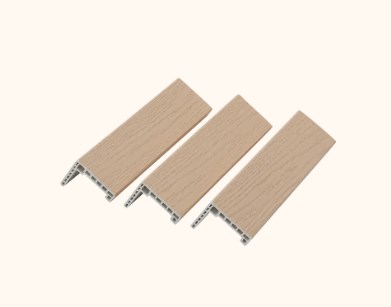
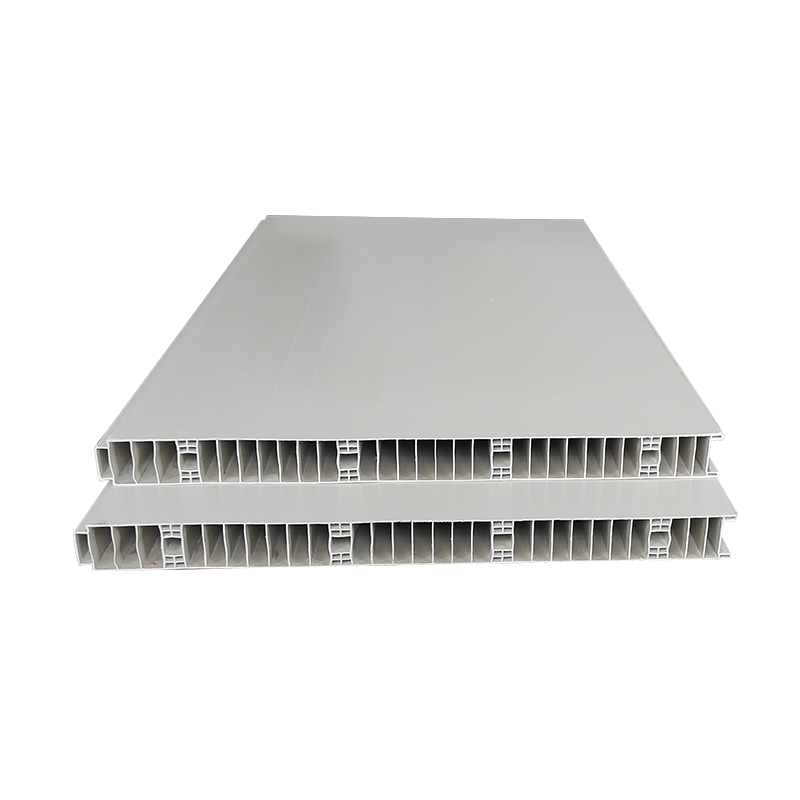 UPVC Partition Board for Moisture-Resistant Interior WallsThis extruded UPVC partition board offers waterproof, corrosion-resistant, and insulating properties in a lightweight panel. Its smooth surface suits high-humidity areas like kitchens and bathrooms, making it a practical choice when comparing wall-cost alternatives.View Product →
On installed cost per square meter of smooth, painted wall, PVC partition panels typically land below brick and slightly above bare gypsum, but the gap closes to nearly zero when the complete wall sequence is costed.
| Property | PVC Partition Panel | Gypsum Board Wall | Brick Wall | Timber Stud Wall |
| Weight per m2 | 8-12 kg | 20-35 kg | 220 kg | 25-40 kg |
| Moisture absorption | Below 0.1% | 8-10% | 5-8% | 12% or more |
| Install time, 20 m2 | 1 day | 1.5-2 days | 4-6 days | 2-3 days |
| Surface treatment | None required | Jointing and paint | Plaster and paint | Paint or cladding |
| Life in shower rooms | 15+ years | 3-5 years | 10+ years if sealed | 5-8 years |
Nine out of ten field failures in PVC partition walls come from the frame, not the panel. Uneven supports cause every subsequent alignment problem, so the sequence below starts with geometry.
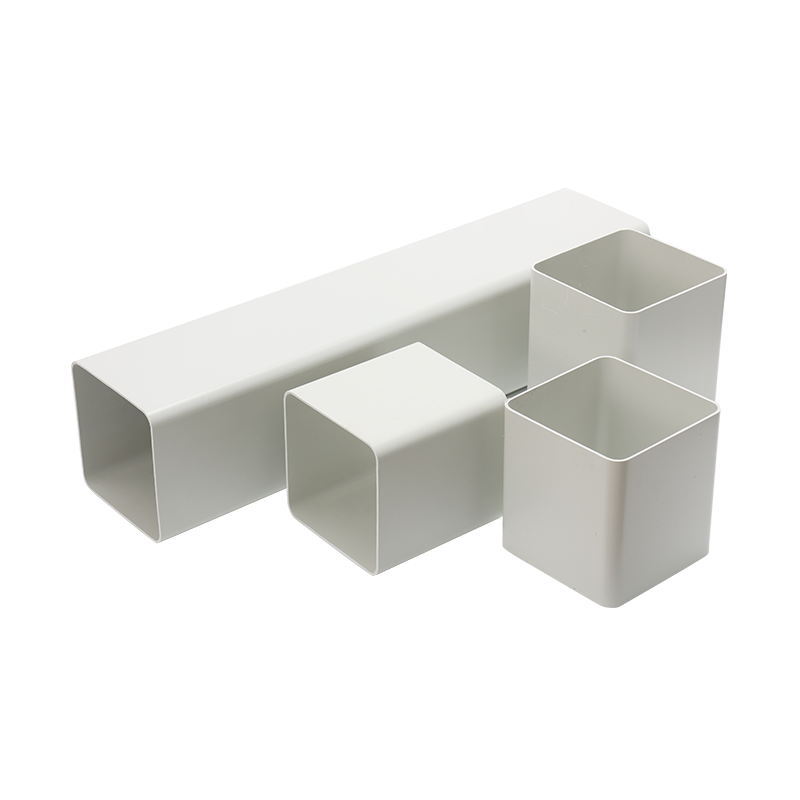 UPVC Square Pipe for Corrosion-Resistant Structural FramingA lightweight UPVC square tube with strong resistance to chemicals, aging, and impact. Weighing only a fraction of steel, it serves as durable framing for partition installation, though proper geometry and support are essential to prevent field failures.View Product →
Public washrooms, hospital treatment rooms, food-processing lines, and hotel refurbishments are the four application groups with the shortest payback for PVC partition panels.
In each case, the economic case is the same: the material costs more than gypsum board, but the installed wall arrives complete, and the asset avoids the single most expensive maintenance event in a wet interior: tearing out a mold-damaged wall.
For a deeper look at the direct benefits of PVC partition panels in commercial washrooms and corridors, the full breakdown covers chemical resistance, ventilation behavior, and surface temperature performance.
Before you commit to a container order, verify four things: a weighed moisture absorption test report, a cross-section density check, the compound formula, and the panel flatness tolerance over a 2.4 m span.
A factory tour is the most reliable way to confirm the extrusion line, the quality-control bench, and the storage conditions that distinguish a real manufacturer from a trading desk. A direct manufacturer such as Jiangyin Gwing Technology Co., Ltd., which has produced PVC profiles since 2005, generally accepts visit requests and provides process documentation that traders cannot.
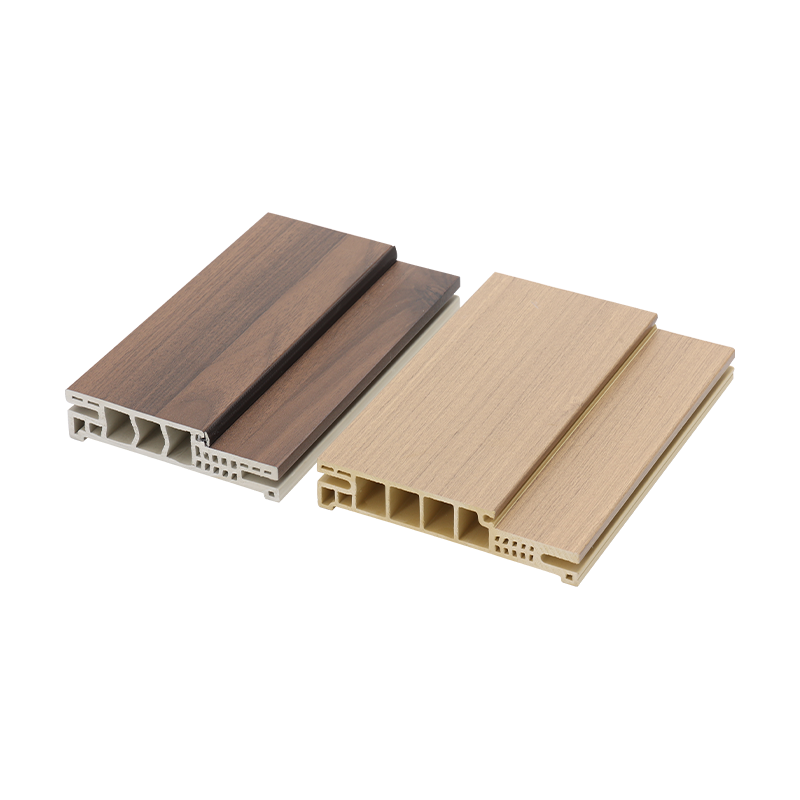 Customized Polymer Composite Products from Gwing TechnologyA direct manufacturer since 2005, Gwing offers customized PVC/WPC profiles and composite products. Their nearly 20 years of experience and factory tour availability help verify extrusion quality and reliable supply for tailored partition and framing needs.View Product →
Yes, when installed on 600 mm stud centers with top and bottom tracks, a 12 mm UPVC panel supports the normal loads of a washroom or office partition, including hand dryers, soap dispensers, and shelving fixed into the studs. Point loads should always land on the vertical framing, not the panel face.
Standard latex paint does not adhere well to the closed-cell surface, because the panel does not absorb primer. If the color needs to change at a later stage, specify co-extruded panels in the target color at the factory, or use a solvent-based adhesion primer designed for polyolefin surfaces.
Material cost for a 12 mm PVC partition panel is roughly 1.5 to 2.2 times that of a standard gypsum board. The installed-cost gap closes to within 15 percent because jointing, plastering, painting, and the related drying time are removed from the sequence.
UPVC contributes through long service life and low maintenance, but the polymer content still draws scrutiny. Several green building credit programs recognize recycled PVC content, so ask the manufacturer for a disclosed recycled-content percentage if that is a project requirement.

 English

 English
 عربى
عربى Español