Eighteen months into a coastal renovation project, the interior doors were the first components to fail. The bottom edges of standard wood-core door panels had swollen to roughly 1.5 times their original thickness, the laminate was peeling, and a musty odor had settled in the bathroom. The repair bill, including labor and paint, tripled the original door budget.
A moisture resistant door panel specification is not a single material choice. It is an engineering requirement that touches the core, the surface film, the edge treatment, and the installation method. This guide explains the measurable properties that separate a panel lasting ten years from one failing in eighteen months, and how to match the material to the humidity load of each room.
Moisture resistance is determined by the core material's water absorption rate, the integrity of the surface film, and the continuity of the edge seal - in that order of importance.
The failure sequence is predictable. Humidity enters through the door edges, the most exposed point of any panel. The core absorbs water and expands: wood-based cores can gain 10 to 15 percent in thickness when saturated. Once that expansion happens, the surface film separates from the core, and the structural bond is gone for good.
Three layers work together to stop that chain reaction:
WPC (wood-plastic composite) is the most balanced moisture resistant door panel core for wet interior spaces, because it combines wood-like rigidity with PVC-level water tolerance.
WPC is a composite of wood fiber, PVC resin, and stabilizers, compounded under heat and formed into panels. The plastic matrix encapsulates each wood fiber, so the finished material absorbs very little water. That is why WPC door panels keep their dimensions in bathrooms where solid wood and MDF deform visibly.
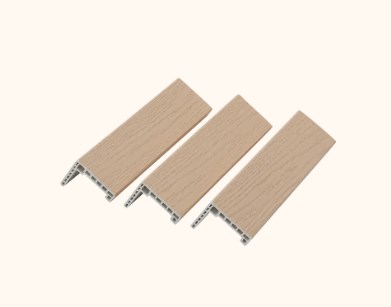
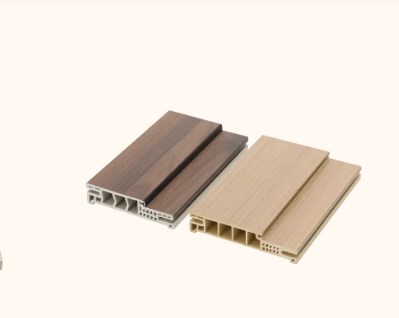
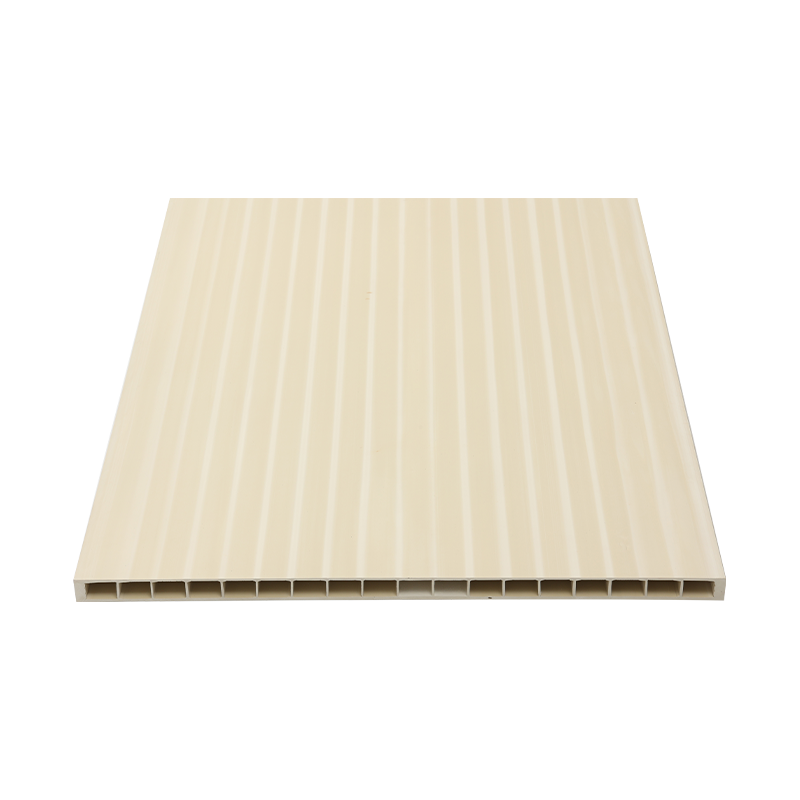 WPC Door Panel for Moisture-Prone BathroomsThis composite door panel uses PVC resin and wood fiber to resist water absorption and deformation, making it a reliable choice for humid spaces where solid wood and MDF panels tend to warp.View Product →
| Core material | Water absorption | Thickness swelling | Mold resistance | Relative cost |
| WPC composite | 0.3-0.8% | below 2% | High | Medium-high |
| PVC foam | 0.1-0.3% | below 1% | Very high | Medium |
| Moisture-resistant MDF | 8-15% | 5-12% | Low-medium | Low |
| Solid wood | 12-18% | 8-15% | Low | High |
The table collapses the decision to one practical question: how much humidity will this door actually see? A guest bathroom with a strong extractor fan can get away with moisture-resistant MDF. A main bathroom with daily showers, or any door within 3 meters of a shower enclosure, deserves a WPC door panel specification.
Five measurable properties determine whether a moisture resistant door panel survives in service: water absorption, thickness swelling, surface wear resistance, edge seal adhesion, and screw holding strength.
Each metric maps directly to a failure mode visible in the field:
Specify a moisture resistant door panel anywhere humidity cycles occur daily, not seasonally. Intermittent humidity is manageable with ventilation; daily humidity cycles are not.
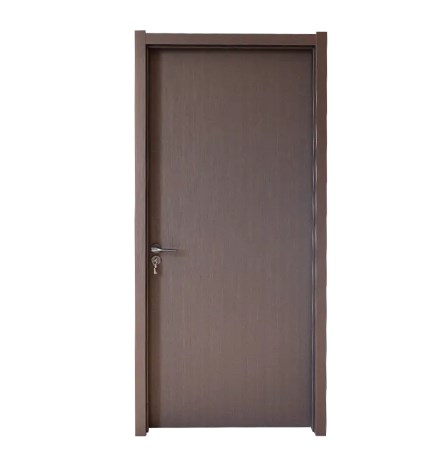
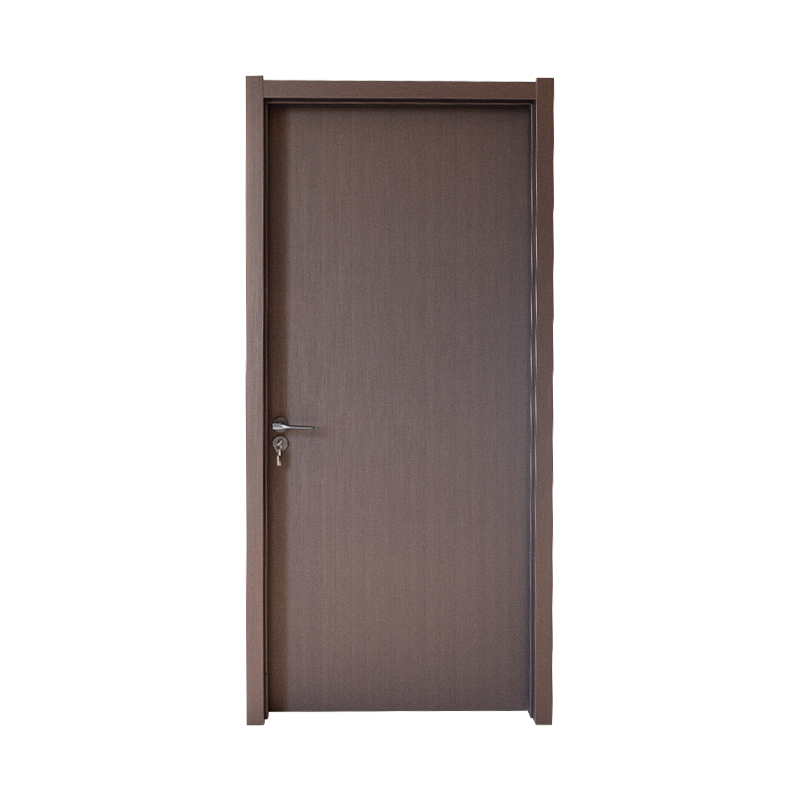 WPC Door Suitable for Daily Humidity CyclesEngineered from resin, bamboo fiber, and polymers, this door withstands repeated wet-dry exposure without structural failure, addressing the mold and deterioration risks common in moisture-cycled interiors.View Product →
In all four environments, the failure mode is identical: repeated cycles of absorption and drying pull the panel structure apart. A core that stores water also feeds mold growth, which typically appears at the bottom edge within 12 to 18 months of installation.
Even the best moisture resistant door panel fails if installation creates a water path straight into the core. Most panel warranties do not cover field-cut edges that were left unsealed.
A moisture resistant door panel costs more to buy, but the total cost of ownership over a decade is typically one-third that of a standard wood-based panel in the same position.
The arithmetic is simple. Replacing an MDF panel three times in a decade, with labor and repainting, costs more than a WPC panel that stays in place for the entire period. Custom dimensions push the value calculation even further in favor of composite panels.
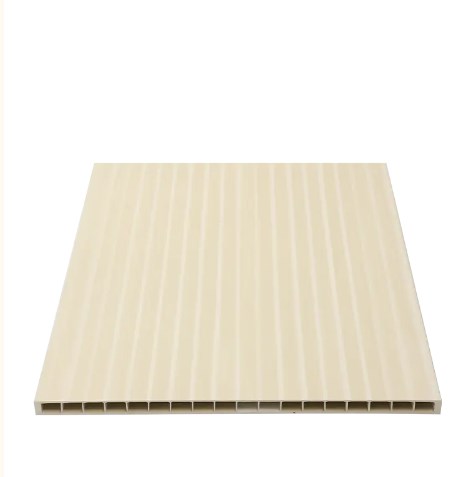
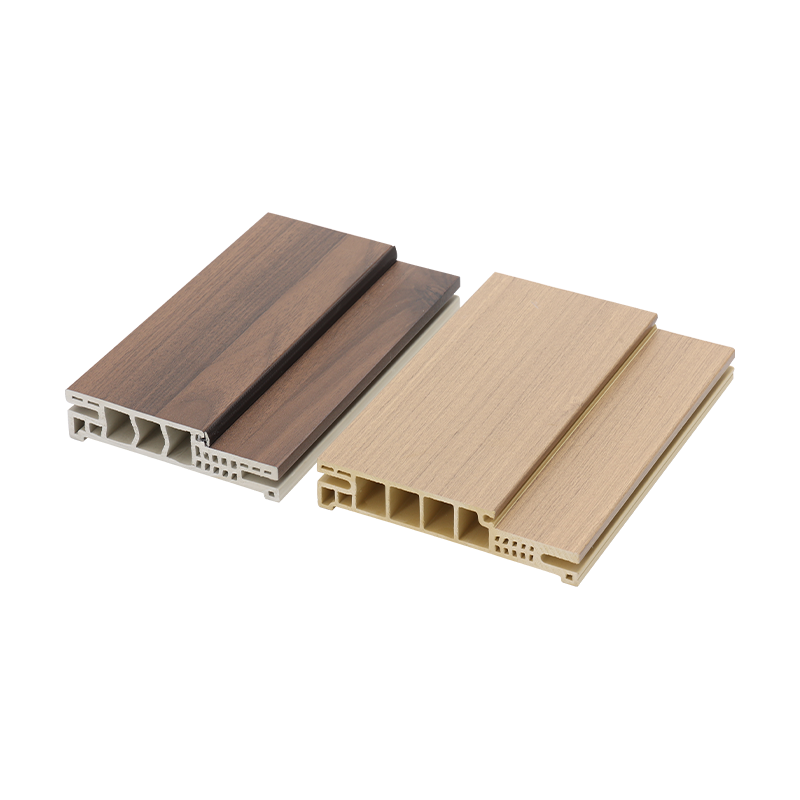 Customized WPC Panel for Long-Term ValueCustom-sized composite panels offer superior moisture resistance and durability, reducing replacement costs compared to MDF over a decade of bathroom use, with less than 0.5 percent water absorption.View Product →
No interior panel is fully submersible, but WPC resists water far better than wood-based alternatives. A quality WPC core absorbs less than 0.5 percent moisture by weight after 24 hours of immersion, and it will not delaminate or rot under normal bathroom use. Prolonged standing water is outside the design range of any interior panel.
For interior doors, 40 mm is the standard panel thickness; 35 mm works for lightweight or non-rated applications. Core density affects moisture performance more than thickness does, so compare water absorption values rather than assuming a thicker panel is automatically more resistant.
A WPC door panel in a typical bathroom lasts 15 years or more with no core failure. The decorative surface film usually wears first - typically after 8 to 10 years of aggressive cleaning - after which the panel can be refinished without replacing the core.
In limited cases, yes. Seal all exposed edges with a moisture-resistant primer or PVC edge banding, add a water-resistant bottom insert, and apply a marine-grade varnish. These retrofits rarely match factory-made WPC panels, because the wood core has already been exposed to prior humidity cycles.

 English

 English
 عربى
عربى Español