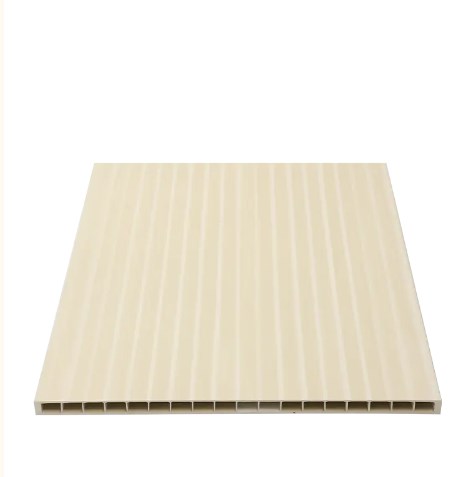
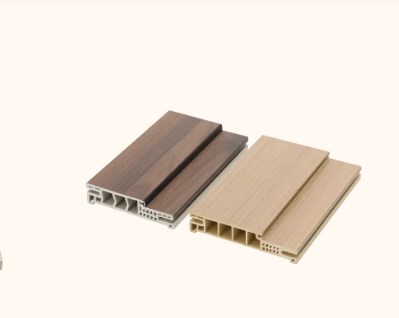
In modern industrial buildings and infrastructure construction, the layout and management of power systems are crucial. As a key component of power transmission and control systems, the safe, stable, and efficient installation of cables directly affects the quality of the project and its long-term operational safety. PVC cable trays, as a new type of cable laying method, have gradually become the mainstream choice in the market due to their unique advantages.
PVC cable trays are made primarily of polyvinyl chloride (PVC) through a special process. Compared to traditional metal cable trays, PVC cable trays have a series of outstanding features and advantages, making them particularly suitable for cable laying in various complex environments.
PVC cable trays have excellent corrosion resistance. Due to the strong corrosion resistance of PVC itself, it maintains good performance in chemical media, humid environments, and acidic/alkaline environments, and is not easily corroded by external factors. This makes PVC cable trays very suitable for use in environments with corrosive gases and liquids, such as chemical plants and sewage treatment plants.
PVC cable trays are lightweight and easy to install. Compared to metal cable trays, PVC cable trays are lighter, easier to install and transport, and more convenient and efficient to install. Their flexibility and convenience are particularly evident when adjustments and maintenance are required during installation. The structural design of PVC cable trays allows for various combinations and accessory adjustments to meet different needs, providing a high degree of customization.
Safety is one of the most important considerations in the design and application of cable tray products. Although PVC cable trays are made of plastic, modern technology has enabled them to achieve high standards of fire resistance. According to relevant national standards, PVC cable trays can effectively prevent the spread of flames in the event of a fire, thus providing additional safety for the power system.
To further enhance the fire resistance of the product, some PVC cable trays use PVC materials with higher fire resistance ratings. This material not only maintains its stable shape under high temperatures but also does not easily melt or detach within a certain period. Therefore, PVC cable trays are widely used in places with strict fire protection requirements, such as power substations, large shopping malls, and basements.
Beyond safety and functionality, modern architecture places higher demands on aesthetics and environmental friendliness. PVC cable trays excel in these areas. Their smooth surface and customizable colors allow them to blend harmoniously with the interior and exterior décor and electrical system layout, avoiding the harshness and visual interference that can occur with traditional metal cable trays.
Furthermore, PVC cable trays are highly environmentally friendly. PVC is a recyclable material, resulting in minimal environmental impact during use. Compared to traditional metal cable trays, the production process of PVC cable trays has relatively lower environmental pollution, aligning with the sustainable development principles of green building.
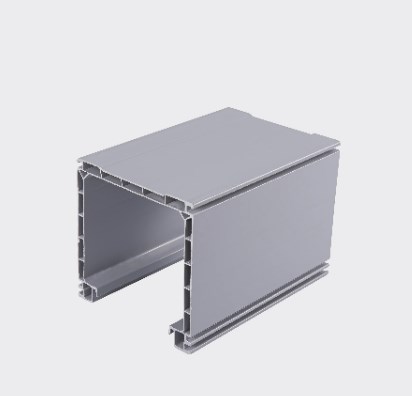
PVC cable trays have a wide range of applications. They play an excellent role in industrial plants, power systems, and commercial buildings. In power systems, cable trays not only bear the responsibility of power transmission but also ensure cable safety and system stability. With their excellent corrosion resistance and fire resistance, PVC cable trays can maintain stable operation for extended periods in complex environments, preventing power system failures and accidents.
With the rapid development of the telecommunications industry, an increasing number of communication cables and fiber optic cables require safe and standardized installation. The adaptability of PVC cable trays makes them an ideal cable laying solution for the telecommunications industry. Especially in some special environments, PVC cable trays not only provide stable power transmission but also ensure uninterrupted communication lines.
PVC cable trays typically employ modular design and standardized accessories during installation, adapting to various installation needs. They can be easily installed on walls, ceilings, or floors, significantly reducing installation difficulty and cost. Compared to metal materials, PVC is more flexible, easier to cut and splice, and can be installed smoothly even in narrow or complex spaces, meeting various special design requirements.
In the later stages of use, PVC cable trays require relatively simple maintenance. Due to the material's inherent anti-aging and corrosion resistance, PVC cable trays usually do not require frequent maintenance or replacement. Regularly checking for cable wear or damage and keeping the surface clean is sufficient. Compared to metal cable trays, the long-term maintenance cost of PVC cable trays is lower, which is one of the reasons why many companies choose them.
With the rapid development of the construction and power industries, the market demand for PVC cable trays is also steadily growing. Due to their outstanding performance in fire resistance, corrosion resistance, and environmental protection, an increasing number of construction projects and industrial engineering are adopting PVC cable trays, particularly in projects that need to consider cost-effectiveness.
Additionally, with the increasing stringency of environmental regulations, the recyclability and low pollution of PVC cable trays make them an ideal choice that aligns with the sustainable development concept. As technology continues to improve and market demand grows, PVC cable trays are expected to be widely used in more industries.
The service life of PVC cable trays is typically 15-30 years. The exact lifespan is affected by environmental factors such as temperature, humidity, and chemical corrosion. Under normal use and maintenance, PVC cable trays can operate stably for extended periods.
Modern PVC cable trays have significantly improved fire resistance, effectively preventing the spread of flames. Some special models have even passed high fire-resistance tests, meeting national safety standards.
PVC cable trays have strong weather resistance and can adapt to various climatic conditions. However, prolonged exposure to strong ultraviolet radiation may cause surface aging. Therefore, appropriate protective measures are usually required when using them outdoors.
PVC cable trays are suitable for installing most power cables. However, when carrying cables with high current, it is necessary to select the appropriate tray size and support method based on the cable specifications and weight. It is recommended to communicate with professionals during the design phase to ensure the cable tray's load-bearing capacity meets requirements.
PVC cable trays are relatively simple to maintain. Only periodic checks of the cables' condition and keeping the tray surface clean are needed. Under normal circumstances, PVC cable trays do not require frequent maintenance or replacement.

 English

 English
 عربى
عربى Español