When a coastal apartment renovation came back for warranty work eight months in, the failure was identical in every unit: the MDF skirting had swollen at the joints, the paint had lifted along the base, and one bathroom baseboard had started to crumble. Switching the specification to a PVC skirting board ended the recurrence, because a dense PVC profile absorbs less than 0.1% of its weight in water, while unpainted MDF absorbs 8-12%. That single number explains why PVC skirting boards now cover the base walls of bathrooms, kitchens, hotel corridors and coastal projects.
Polymer skirting is sold as a system: profile lengths, internal connectors, corner pieces and end caps.
Before comparing brands, check three numbers on the datasheet: a wall thickness of at least 1.5 mm, a foamed-core density between 0.55 and 0.70 g/cm3, and water absorption below 0.1%. If a supplier cannot put all three in writing, treat every other promised performance figure with caution.
A PVC skirting board is a compound of PVC resin, calcium carbonate filler, impact modifiers and thermal stabilizers; the resin-to-filler ratio is the main cost and quality lever in the factory.
Resin resists water and bends without breaking. Calcium carbonate stiffens the profile and lowers cost but makes it brittle when the dose goes too high. Impact modifiers such as CPE or ACR restore toughness, titanium dioxide provides white color and UV stability, and a co-extruded virgin cap protects the visible face from yellowing.
That composition sets on-site behavior. PVC expands roughly five times more than timber for the same temperature change. A three-meter run can lengthen or shorten by 3-5 mm between a cold morning and a heated room, so the profile must never be rigidly fixed at both ends. The standard practice is to bond it with adhesive or clips and leave a 3-5 mm expansion gap at the end caps.
PVC skirting boards win whenever moisture or maintenance drives the cost; MDF wins only where a paint-grade surface is required and the environment stays dry; solid wood wins only in heritage or high-end visual contexts.
The purchase price of MDF is close to PVC, but MDF needs priming, two paint coats, nail filling and sanding before it looks acceptable, and in a humid room it usually needs replacement before year eight.
| Property | PVC skirting board | MDF | Solid wood |
| Water absorption by weight | below 0.1% | 8-12% | 5-15%, species dependent |
| Painting after installation | none required | primer plus two coats | stain or paint required |
| Impact behavior | flexes and recovers | dents permanently | dents or splits |
| Rot and insect risk | none | high in damp areas | species dependent |
| 10-year cost per meter installed | $1.8 | $5.1 | $7.4 |
| Service life in a bathroom | 20+ years | 5-8 years | 10-15 years with refinishing |
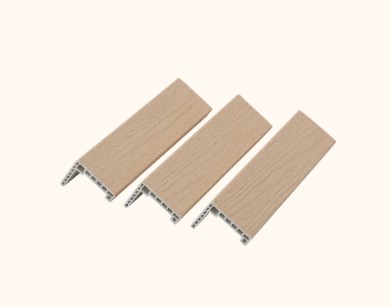
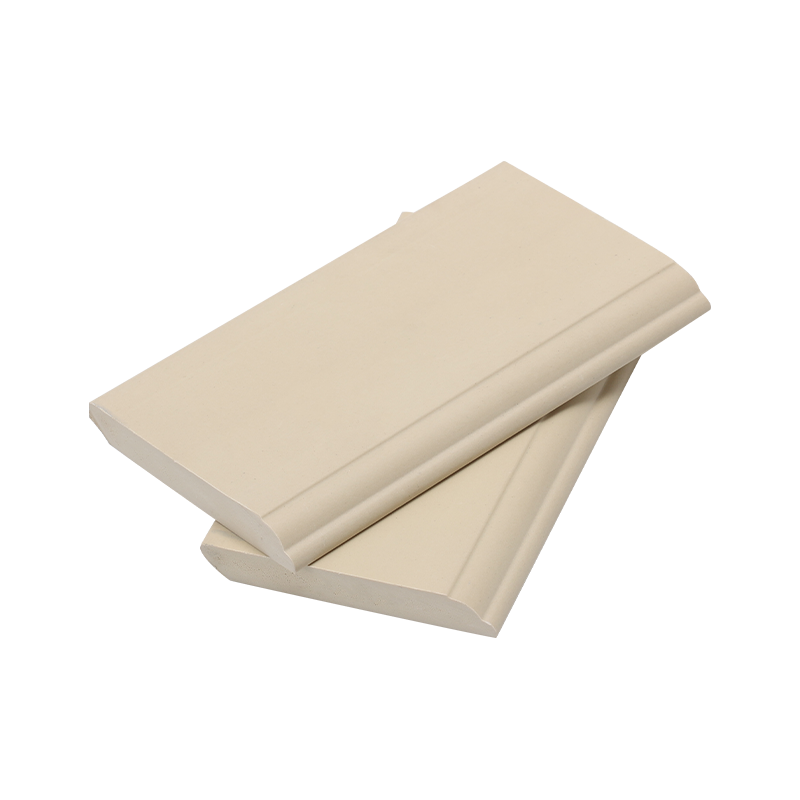 Waterproof Wood-Plastic Composite Skirting BoardThis WPC skirting offers a durable alternative to MDF, combining wood fiber and thermoplastics for moisture resistance and a wood-like appearance, making it suitable for humid rooms without the need for painting or frequent replacement.View Product →
The difference between a PVC skirting board that lasts 20 years and one that turns brittle in three is decided by five specifications: wall thickness, cap layer, recycled content, fire class and height profile.
Most suppliers stock standard heights and colors. For non-standard wall dimensions or a specific finish, a manufacturer such as Jiangyin Gwing Technology Co., Ltd. can run a custom extrusion instead of forcing you to adapt.
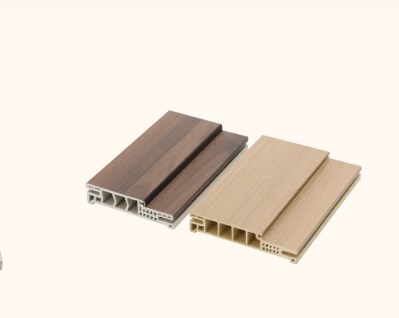
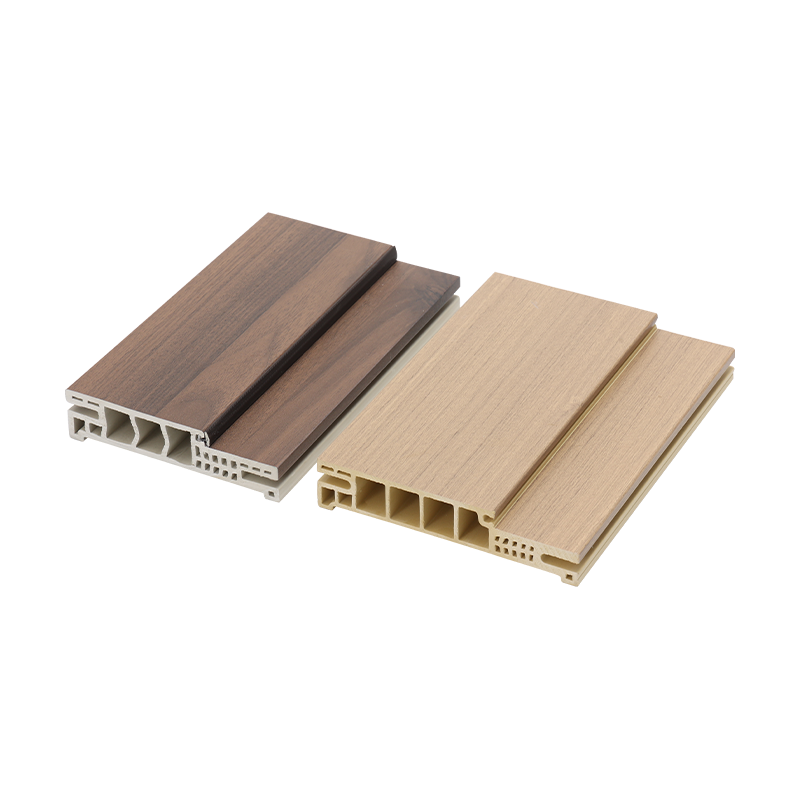 Custom Extrusion Service for Non-Standard Skirting ProfilesWhen standard sizes or finishes don't fit your project, this manufacturer provides custom extrusion solutions to match specific wall dimensions and desired textures, allowing a seamless fit and consistent design across your installation.View Product →
Over a 10-year service life, a PVC skirting board costs about $1.8 per linear meter installed, painted MDF costs about $5.1, and solid wood about $7.4. The first purchase price is the least reliable figure in any skirting budget.
PVC needs one profile and a tube of adhesive; the surface is already finished. MDF and timber need primer, paint, filler, sandpaper and 20-30 minutes of labor per meter, and in a humid room the MDF run has to be ripped out and replaced when the edges swell.
A two-bedroom apartment uses roughly 90 linear meters of skirting, so the 10-year difference between polymer and painted MDF is close to $300 before labor.
For project quantities, request a quote directly from the manufacturer with the wall thickness, cap layer and fire class written into the inquiry.
PVC skirting boards are designed to be installed by one person: cut, apply adhesive or clip, press, wipe, and the run is done, with no nailing, no filling and no waiting for paint to dry.
On corridors longer than six meters, plan an expansion joint in the middle of the run. At door openings, the skirting board meets the door frame; ordering both from the same series makes heights and textures match.
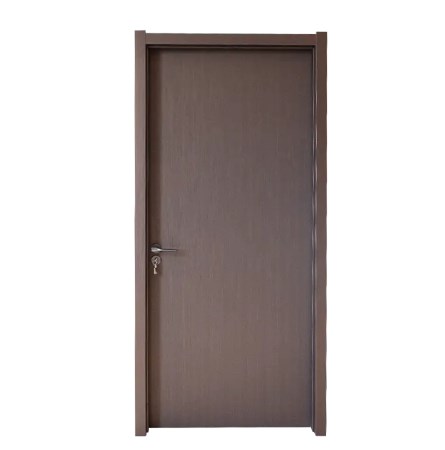
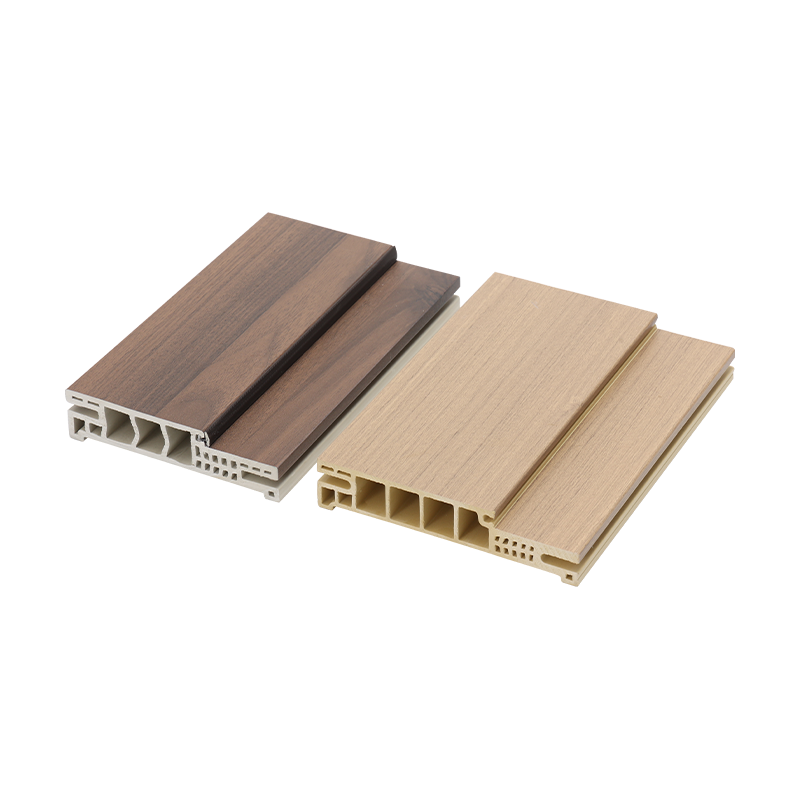 Waterproof WPC Door Frame with Wood Grain FinishThis composite door frame pairs with matching skirting series, offering moisture resistance and a realistic wood texture. Its hollow-core structure provides strength while being lightweight, ensuring easy installation and stable alignment at door openings.View Product →
PVC skirting is the wrong choice in three situations: unheated rooms below -10 degrees C, heritage interiors that demand a hand-painted timber finish, and escape corridors that require a certified fire-rated profile.
These four questions decide most sourcing decisions on polymer skirting.
Twenty years or more in normal indoor service. With a co-extruded cap layer, the surface keeps its color, and the most common cause of early failure is poor substrate preparation, not the profile itself.
Yes. Clean with a degreaser, apply an acrylic primer, then a water-based paint. Painting removes the no-maintenance advantage and excludes most warranty claims, so treat it as a design choice rather than a fix.
The purchase price is usually within 10% of MDF, but the installed 10-year cost is much lower because PVC needs no painting, no nail filling and no replacement in humid rooms.
In use, yes: they last two to three times longer than MDF in damp conditions, contain no added biocides, and can be recycled at end of life. The case is strongest when the manufacturer publishes its material composition and accepts offcuts back.
Put the wall thickness, cap layer, fire class and a signed color sample in the order documents before production starts; those four lines do more for the result than the brand name on the box.

 English

 English
 عربى
 Español