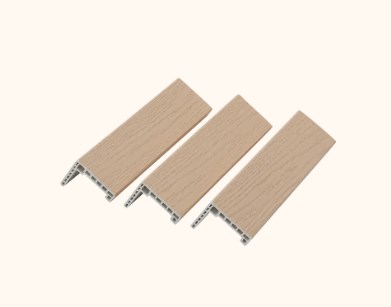
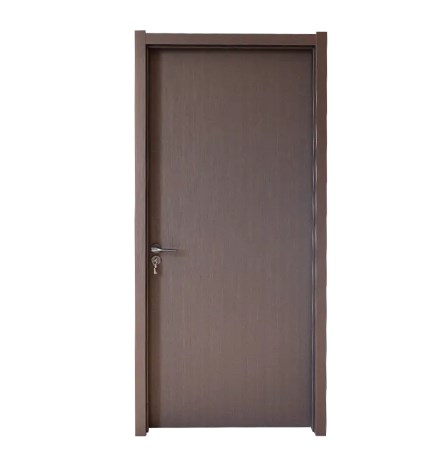
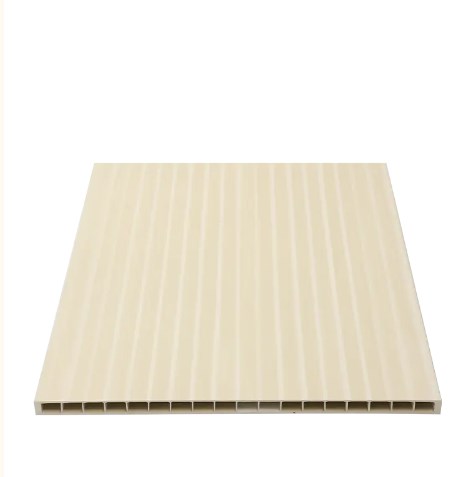
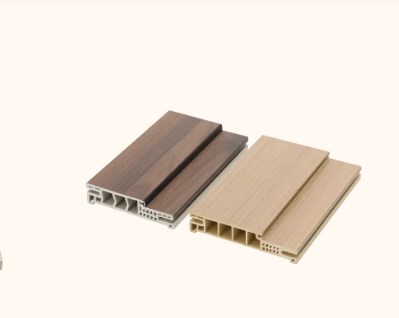
UPVC partition boards are one of the most practical and commercially widespread applications of unplasticized polyvinyl chloride in modern construction and interior fit-out. As an alternative to traditional partition materials — including ceramic tile, cement board, plywood, MDF, and solid wood paneling — UPVC partition boards offer a combination of waterproofing, structural rigidity, chemical resistance, and low maintenance that makes them a preferred specification in wet areas, commercial facilities, and any environment where conventional materials would be vulnerable to moisture damage or hygiene issues.
For architects, interior designers, contractors, facility managers, and procurement buyers sourcing partition materials for bathrooms, restrooms, changing rooms, laboratories, food processing environments, or other demanding applications, understanding what UPVC partition board is, how it is constructed, what its performance advantages are, and how to specify the right product for a given application is the foundation of a sound material selection decision.
UPVC partition board is a rigid flat panel manufactured from UPVC — unplasticized polyvinyl chloride — the same base polymer used in UPVC window frames, pipe systems, and fascia boards, distinguished from plasticized PVC (flexible PVC) by the absence of plasticizer additives that would make the material soft and flexible. Without plasticizers, UPVC retains its rigid, dimensionally stable character and delivers the material's full inherent resistance to moisture, chemicals, UV radiation, and biological attack.
UPVC partition boards are produced by extrusion or calendering into flat sheet form, typically with a cellular or hollow-chamber internal structure that reduces weight while maintaining panel rigidity. The surface can be finished in smooth gloss, matte, or wood-grain texture, depending on the application's aesthetic requirements. Standard panel thicknesses range from 5mm for lightweight interior cladding applications to 16mm and above for structural partition systems that must support door hardware, accessories, and mechanical fixings.
Buyers sourcing plastic-based partition materials frequently encounter three related but distinct product types that are sometimes confused: UPVC partition board, PVC foam board (also called Celuka board or Forex board), and WPC (Wood-Plastic Composite) board. Understanding the differences is important for correct specification.
UPVC partition board is a rigid, dense PVC panel — either solid or multi-chamber extruded — with high mechanical strength, chemical resistance, and dimensional stability. It is specified where structural performance and long-term rigidity are required. It does not contain wood fiber or foaming agents.
PVC foam board is a lower-density PVC panel produced with a foaming agent that creates a closed-cell foam core, making it lighter and easier to cut and fabricate than solid UPVC. Its mechanical strength and load-bearing capability are lower than those of solid UPVC, making it more suitable for display and signage applications than structural partition systems.
WPC board is a composite of wood fiber (or wood flour) and PVC or polyethylene resin. WPC has a more natural appearance and better workability for wood-working tools, but its wood fiber content makes it less resistant to prolonged high-humidity immersion than pure UPVC — in wet areas with standing water or direct water contact, pure UPVC partition board outperforms WPC on moisture resistance.
For partition applications in wet rooms, commercial washrooms, and chemical environments, solid UPVC partition board is typically the correct specification. WPC is better suited for interior decorative paneling in areas with incidental rather than sustained moisture exposure.
UPVC has essentially zero water absorption — it does not absorb, transmit, or hold moisture in any form. This is the fundamental advantage that drives UPVC partition board specification in wet environments. Where a plywood or MDF partition panel would swell, delaminate, and support mold growth after sustained water exposure, a UPVC partition panel remains dimensionally stable, structurally sound, and hygienically clean. In commercial washroom cubicle systems, changing room dividers, swimming pool changing facilities, and food processing plant walls, the absence of any moisture absorption means the partition system remains clean, dimensionally stable, and free from biological growth for the full service life of the installation.
UPVC is resistant to a wide range of common chemicals, including dilute acids, alkalis, chlorine-based cleaning products, and disinfectants. This makes UPVC partition board a standard specification in environments that require regular chemical disinfection — hospital washrooms, laboratory ancillary rooms, food processing plant changing areas, and public facility restrooms where strong cleaning chemicals are used routinely. Traditional ceramic tile and grout systems are chemically resistant on the tile face but vulnerable at grout joints; UPVC partition systems with properly sealed joints eliminate grout joint vulnerability.
Unlike wood-based partition materials (plywood, MDF, solid wood), which expand and contract with changes in ambient humidity and temperature, UPVC partition board maintains stable dimensions across a wide range of environmental conditions. This dimensional stability is particularly important in environments subject to repeated wetting and drying cycles (changing rooms, sports facility washrooms, industrial wet areas) where wood-based partitions would progressively warp, swell at panel edges, and cause hardware misalignment over time. UPVC partition panels installed correctly with appropriate allowances for thermal expansion maintain their geometry and hardware alignment throughout their service life.
UPVC has inherent fire-retardant properties — the high chlorine content of the PVC polymer inhibits combustion, and UPVC partition board typically achieves B or C class fire ratings (to EN 13501-1) without additional fire retardant additives. For applications in commercial buildings and public facilities subject to building regulations, fire performance requirements, UPVC partition board's fire rating should be confirmed from the manufacturer's test data and compared with the specification requirement for the specific application and jurisdiction.
The smooth, non-porous surface of UPVC partition board does not harbor bacteria, fungal spores, or odors in the way that porous materials (grout, natural stone, wood) can. This hygiene advantage is a primary reason for UPVC partition board specification in healthcare, food production, and public facility applications where surface hygiene is a regulatory requirement. The surface is easily cleaned with standard cleaning products and resists the staining and discoloration that affect grout joints and natural stone in commercial washroom use.
The largest single application for UPVC partition board globally. Commercial washroom cubicles — toilet cubicles, urinal screens, and privacy screens in offices, shopping centers, airports, hotels, sports facilities, and public buildings — require partition materials that combine moisture resistance, structural rigidity to support door hinges and hardware, ease of cleaning, and acceptable aesthetic appearance. UPVC partition board meets all these requirements at a cost point that is competitive with traditional materials (phenolic resin laminate, stainless steel, ceramic tile on concrete block) while being easier to install, modify, and repair.
Sports centers, swimming pools, gyms, and workplace changing facilities are high-humidity environments where shower water, steam, and perspiration create sustained moisture exposure that would quickly degrade timber, plywood, or MDF partitions. UPVC partition boards are the standard specification for changing room bench surrounds, locker room dividers, shower cubicle walls, and wet area partition screens in these applications. Their resistance to chlorine (from pool water) and commercial cleaning products is an additional advantage in aquatic facility applications.
Food processing plants, commercial kitchens, food storage facilities, and pharmaceutical manufacturing environments require partition and wall cladding materials that can withstand repeated high-pressure washing, chemical sanitization, and sustained high humidity. UPVC partition board satisfies these requirements and meets standard food contact safety requirements for indirect food contact surfaces. The smooth, seamless installation possible with UPVC cladding systems eliminates the grout joints and surface irregularities that can harbor contamination in tiled wall systems.
Laboratory washing-up rooms, hospital sluice rooms, sterilization area surrounds, and clinical utility rooms require durable, chemically resistant, and easily disinfectable wall and partition surfaces. UPVC partition board provides these properties in a system that is lighter to install than ceramic tile on block and does not require the wet trade skills or extended cure times associated with tiled systems, making it particularly useful in fit-out projects with tight construction programs.
In residential bathrooms, wet rooms, and laundry areas, UPVC partition board is used as an alternative to ceramic tile for shower enclosure walls, bath surrounds, and wet room wall cladding. The absence of grout joints (and the maintenance required to keep grout clean and sealed) is a consumer advantage over tiled systems that drives UPVC wall panel and partition board specification in the residential renovation market.
UPVC partition boards can be installed using adhesive bonding directly to a prepared substrate, mechanical fixing through the panel face, or using concealed fixings, or in proprietary partition frame systems (post-and-panel systems for cubicle applications). Key installation considerations include:
Thermal expansion allowance. UPVC has a higher coefficient of thermal expansion than concrete, masonry, or steel substrates. Expansion gaps must be provided at panel edges and at regular intervals in long panel runs, with appropriate flexible sealants used at joints to accommodate movement without cracking or joint opening. Standard practice is to leave a minimum 3mm expansion gap per 1,200mm of panel length at all fixed edges.
Substrate preparation. Adhesive-bonded UPVC partition panels require a flat, dry, structurally sound substrate. Uneven substrates cause panel bow and adhesive bond failure. For wet area applications, the substrate must be properly waterproofed before panel installation to prevent moisture accumulation behind the panel.
Joint sealing. Panel-to-panel joints and panel-to-fixture joints (around pipework penetrations, at floor and ceiling junctions) must be sealed with a compatible sanitary-grade silicone or flexible PVC-compatible sealant to maintain the system's waterproof integrity. The quality of joint sealing is the most common point of failure in UPVC partition installations and must be specified and inspected carefully.
Yes — UPVC partition board can be cut with standard circular saw, jigsaw, or table saw blades appropriate for plastics or fine-tooth wood cutting. It can be drilled with standard HSS drill bits. Panels should be cut slowly with fine-tooth blades to avoid chipping the surface finish, and cutting should be performed on the back face where possible to protect the visible surface from saw marks. Off-cuts and swarf are fully recyclable as PVC material.
The material cost of UPVC partition board is typically comparable to or slightly higher than mid-grade ceramic tile per square meter. However, the total installed cost of UPVC partition systems is generally lower than that of ceramic tile systems because UPVC installation is faster (no mixing, no setting time, no grouting), requires less skilled labor, generates less waste, and the finished installation requires no cure period before use. For commercial washroom cubicle systems specifically, proprietary UPVC cubicle systems with post-and-panel construction are directly cost-competitive with phenolic resin laminate systems at equivalent performance levels.
UPVC partition board installed in commercial washroom and wet area applications has an expected service life of 15–25 years or more under normal use conditions. The material itself does not degrade, rust, rot, or require periodic refinishing. The practical end of service life is typically determined by surface wear from cleaning abrasion, color fading under UV in high-light environments, or changes to the facility layout requiring partition reconfiguration — not by structural or moisture-related failure of the UPVC panel material itself.
Jiangyin Gwing Technology Co., Ltd., Jiangyin, Jiangsu, manufactures UPVC partition board as part of its UPVC Material Series — polymer composite construction products developed over nearly 20 years in the PVC/WPC materials industry. UPVC partition boards are available in multiple thicknesses, surface finishes (gloss, matte, wood-grain texture), and custom dimensions to suit commercial washroom, industrial, residential, and institutional fit-out applications. Full customization service including color, size, surface finish, and cut-to-size fabrication. Contact us with your application requirements, dimensions, and finish specifications to receive product specifications and quotations.
Related Products: UPVC Partition Board | UPVC Windowsill Board | UPVC Cable Tray | UPVC Square Pipe | WPC Doors

 English

 English
 عربى
عربى Español